
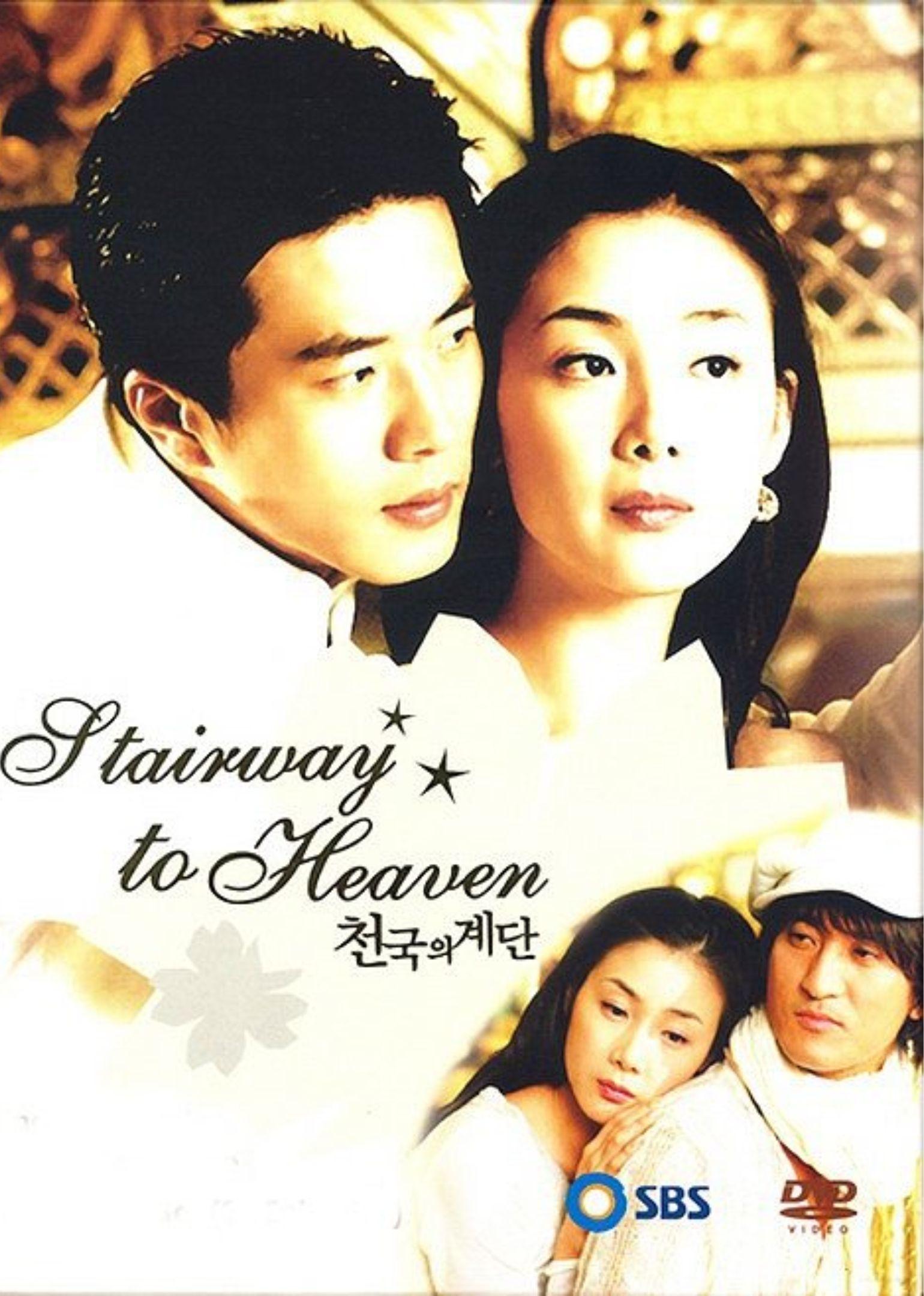
Stairway to Heaven
Stairway to Heaven (2003) is a quintessential Korean melodrama that captivated audiences with its poignant narrative and compelling performances. Starring Choi Ji-woo as Han Jung-suh and Kwon Sang-woo as Cha Song-joo, the series delves into a tale of enduring love, familial betrayal, and the resilience of the human spirit. Childhood friends Jung-suh and Song-joo share a bond that blossoms into deep affection. Their idyllic connection faces turmoil when Jung-suh's father remarries, introducing a stepmother, Tae Mi-ra (Lee Hwi-hyang), and stepsiblings Han Yoo-ri (Kim Tae-hee) and Han Tae-hwa (Shin Hyun-joon). Yoo-ri's jealousy leads to a tragic accident, causing Jung-suh to lose her memory. Believed to be dead, she starts a new life under a different identity, while Song-joo mourns her loss. Years later, fate intertwines their paths once more. Song-joo encounters a woman strikingly similar to his lost love, igniting a quest to rekindle their past. As memories resurface, the couple faces new challenges, including Jung-suh's diagnosis with a terminal illness. The narrative explores themes of sacrifice, with Tae-hwa making a heartrending decision to aid Jung-suh, underscoring the depths of unrequited love. Stairway to Heaven stands as a testament to the power of love and the complexities of human relationships. Its rich storytelling and emotional depth have solidified its status as a classic in the realm of Korean dramas, resonating with audiences worldwide.
Details
🙂 Native Title: 천국의 계단
🌎 Also Known As: Stairs to Heaven, Steps in Paradise, Cheongukui Gyedan
🎭 Genres: Melodrama, Romance
🏷 Tags: Childhood Friends, Amnesia, Love Triangle, Terminal Illness, Tragic Romance
✍ Screenwriters: Park Hye-kyung, Moon Hee-jung, Kim Nam-hee
🎬 Director: Lee Jang-soo
🇰🇷 Country: South Korea
🎬 Episodes: 20
🗓️ Aired: December 3, 2003 – February 5, 2004
📅 Airing Days: Wednesdays & Thursdays
📺 Original Network: SBS
⏰ Duration: Approximately 60 minutes per episode
🔞 Content Rating: 15+ – Teens 15 or older
Best Scenes
-
The Carousel Promise
A poignant scene where young Jung-suh and Song-joo ride the carousel at Lotte World, symbolizing their eternal love and shared dreams. -
The Beach Reunion
A heartfelt moment when Song-joo finds Jung-suh on the beach, leading to an emotional embrace that reignites their deep connection. -
Tae-hwa’s Sacrifice
Han Tae-hwa’s selfless decision to donate his eyes to Jung-suh showcases the depth of his unrequited love and devotion. -
Yoo-ri’s Confession
The dramatic revelation of Han Yoo-ri’s deceit brings tension and catharsis, unraveling the web of lies that kept the lovers apart. -
Final Farewell
The concluding scene where Song-joo plays the piano alone, reminiscing about Jung-suh, encapsulates the enduring nature of true love.
Filming Locations
-
Lotte World, Seoul
The iconic amusement park serves as the backdrop for the memorable carousel scenes, symbolizing innocence and romantic beginnings. -
Namsan Seoul Tower
A popular date spot featured in the series, offering panoramic views of Seoul and serving as a symbol of the characters’ aspirations. -
Hanagae Beach, Muuido Island
This serene beach setting provides the backdrop for several emotional scenes, emphasizing themes of longing and reflection. -
Petite France, Gapyeong
A charming French-style village that adds a whimsical touch to the series, highlighting the characters’ romantic escapades. -
Bukchon Hanok Village
Traditional Korean houses in this village offer a cultural setting for family interactions and pivotal plot developments.
Visual Design and Costumes
-
Symbolic Accessories
The use of matching necklaces between Jung-suh and Song-joo serves as a tangible representation of their unbreakable bond. -
Contrasting Wardrobes
Jung-suh’s modest attire contrasts with Yoo-ri’s flamboyant fashion, visually representing their differing personalities and moral compasses. -
Evolving Styles
As characters mature, their clothing choices reflect their personal growth and the changing dynamics of their relationships. -
Color Symbolism
The strategic use of color palettes in costumes underscores emotional states and thematic elements throughout the series. -
Set Aesthetics
The meticulous design of settings, from opulent mansions to humble abodes, enhances the narrative’s emotional depth and realism.
Themes and Messages
-
Enduring Love
The series explores the concept of love transcending time and adversity, emphasizing its transformative power. -
Family and Betrayal
It delves into complex family dynamics, highlighting how jealousy and deceit can fracture relationships. -
Sacrifice and Redemption
Characters often make profound sacrifices, illustrating themes of redemption and the lengths one will go for loved ones. -
Memory and Identity
The narrative examines how memory shapes identity and the impact of amnesia on personal connections. -
Fate and Destiny
The story suggests that destiny plays a pivotal role in reuniting soulmates, regardless of life’s obstacles.
Interesting Facts
-
High Viewership Ratings
The drama achieved remarkable success, with its final episode garnering a viewership rating of 45.3%, reflecting its widespread popularity. -
International Remakes
Stairway to Heaven inspired adaptations in other countries, including a Philippine version, showcasing its global appeal. -
Soundtrack Impact
The series’ soundtrack, featuring emotionally charged ballads, contributed significantly to its poignant atmosphere and audience engagement. -
Career Launchpad
The drama played a crucial role in propelling the careers of its lead actors, notably enhancing their status in the Korean entertainment industry. -
Cultural Influence
The show’s themes and iconic scenes have left a lasting imprint on Korean pop culture, influencing subsequent dramas and media.
Awards
🏆 Awards for Stairway to Heaven (2003–2004)
-
2003 SBS Drama Awards – Excellence Award, Actress in a Drama Special
-
Recipient: Choi Ji-woo for her portrayal of Han Jung-suh
-
This award recognized Choi Ji-woo’s compelling performance in the series.
-
-
2003 SBS Drama Awards – Top 10 Stars Award
-
Recipient: Choi Ji-woo
-
Acknowledging her popularity and impact in the drama.
-
-
2003 SBS Drama Awards – SBSi Popularity Award
-
Recipient: Kwon Sang-woo for his role as Cha Song-joo
-
This award highlighted Kwon Sang-woo’s popularity among viewers.
-
-
2003 SBS Drama Awards – Top 10 Stars Award
-
Recipient: Kwon Sang-woo
-
Recognizing his significant presence and performance in the series.
-
-
2003 SBS Drama Awards – Best Young Actress
-
Recipient: Park Shin-hye for her portrayal of young Han Jung-suh
-
This award acknowledged Park Shin-hye’s impressive performance as a child actress.
-
Real-Life Loves on Set
There have been no confirmed reports of a real-life romantic relationship between Choi Ji-woo and Kwon Sang-woo, the lead actors of the 2003 Korean drama Stairway to Heaven. While their on-screen chemistry as Han Jung-suh and Cha Song-joo captivated audiences, both actors have maintained that their relationship remained professional.
In 2014, Choi Ji-woo and Kwon Sang-woo reunited for the drama Temptation, marking their first collaboration since Stairway to Heaven. Their reunion was well-received, showcasing their enduring on-screen rapport.
In 2025, the duo made headlines again when Choi Ji-woo made a cameo appearance in Kwon Sang-woo’s film Hitman 2. This surprise collaboration delighted fans, highlighting their continued friendship and mutual respect over two decades after their initial pairing.
Both actors have since established families of their own. Choi Ji-woo married a non-celebrity in 2018 and welcomed a daughter in 2020. Kwon Sang-woo married actress Son Tae-young in 2008, and they have two children together.