A Reason to Live
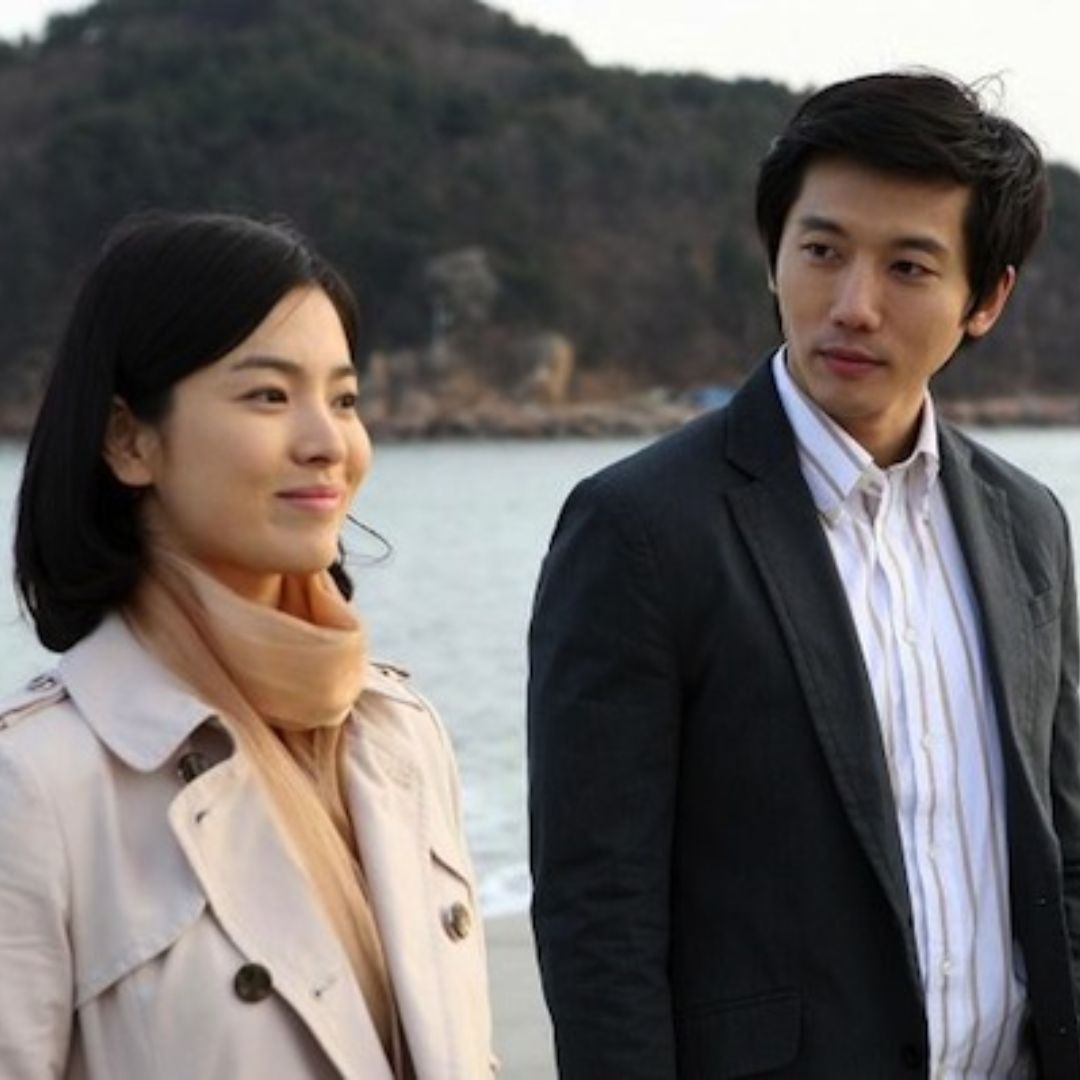
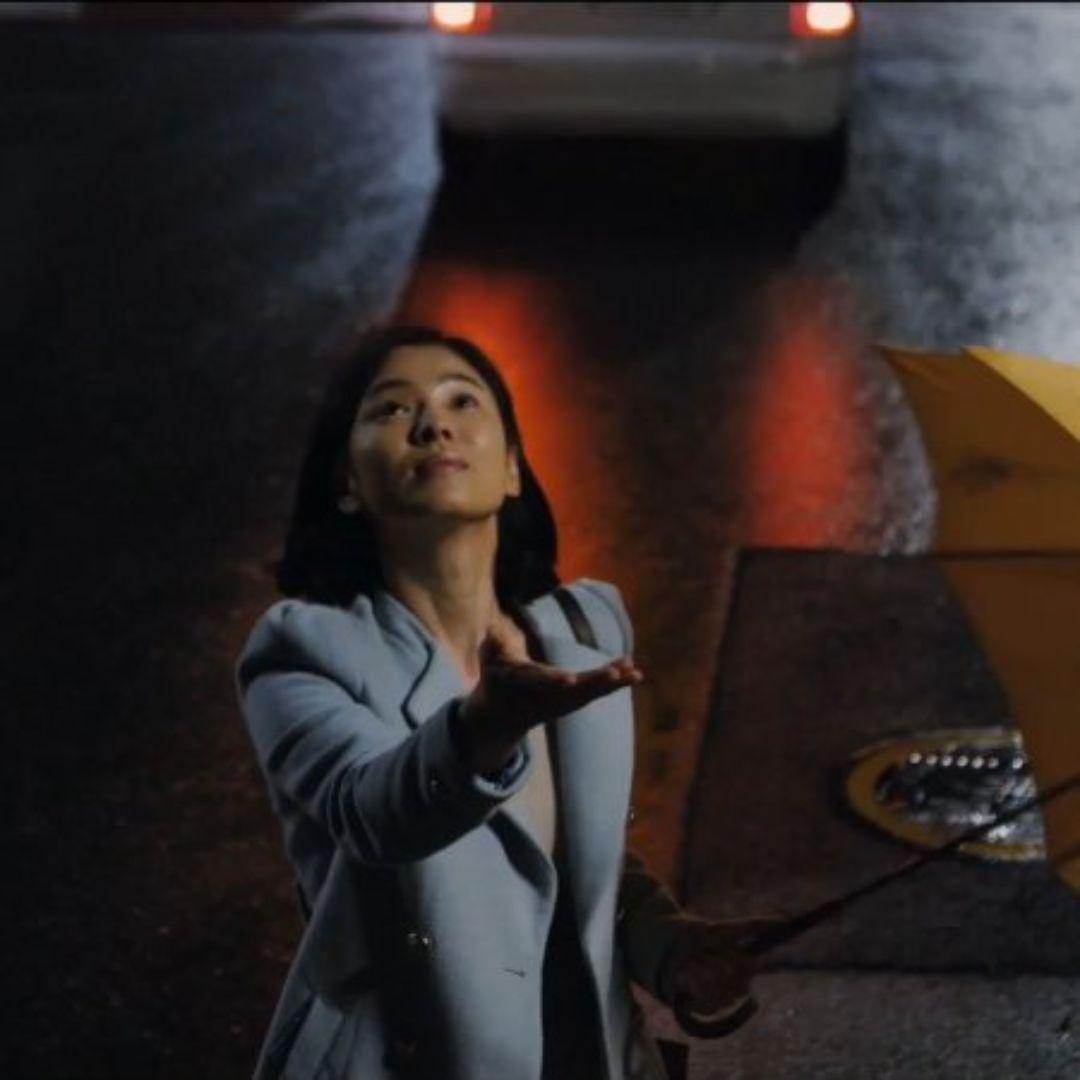
A Reason to Live (2011) is a poignant Korean melodrama that explores themes of grief, forgiveness, and emotional healing. At the center of the story is Da Hye, portrayed by the iconic actress Song Hye Kyo, a compassionate documentary filmmaker whose life is shaken by a tragic event. After her fiancé dies in a hit-and-run accident, she makes the bold decision to forgive the teenage driver, an act that challenges the boundaries of morality, justice, and personal pain. A year after the incident, Da Hye begins documenting stories of people who have forgiven the perpetrators of crimes committed against their loved ones. Her journey brings her face to face with Ji Min, played by Nam Ji Hyun, a young girl burdened by guilt and emotional trauma. Through their interactions, Da Hye is forced to confront her own unresolved emotions and question whether her forgiveness was truly genuine—or a defense mechanism to avoid her suffering. The film takes a reflective and emotionally raw approach, highlighting the psychological toll of loss and the complexities of human empathy. Featuring strong performances from a stellar supporting cast including Ki Tae Young, Song Chang Eui, and Jin Kyung, A Reason to Live unfolds with quiet power, gradually peeling back layers of its characters’ sorrow and hope. The cinematography and subtle storytelling emphasize the silent pain that lingers beneath acts of forgiveness. Directed by Lee Jeong-hyang, known for her emotionally rich narratives, the film stands out among Korean films about healing and redemption. A Reason to Live not only delivers a deep message but also resonates with audiences looking for introspective, character-driven cinema. Perfect for fans of Song Hye Kyo movies, this underrated gem is a must-watch for anyone seeking a deeply moving and thought-provoking story.

Details
🙂 Native Title: 오늘 (Oneul)
🌎 Also Known As: Today, Nobody Somebody
🎭 Genres: Drama
🏷 Tags: Forgiveness, Grief, Redemption, Documentary Filmmaker, Catholicism
✍ Screenwriter: Lee Jeong-hyang
🎬 Director: Lee Jeong-hyang
🇰🇷 Country: South Korea
🎬 Release Date: October 27, 2011
📺 Original Network: Theatrical Release (Distributed by Lotte Entertainment)
⏰ Duration: 119 minutes
🔞 Content Rating: 15+ (Teens 15 or older)
Best Scenes
-
Da Hye forgives the boy who killed her fiancé, setting the emotional tone for the entire film.
-
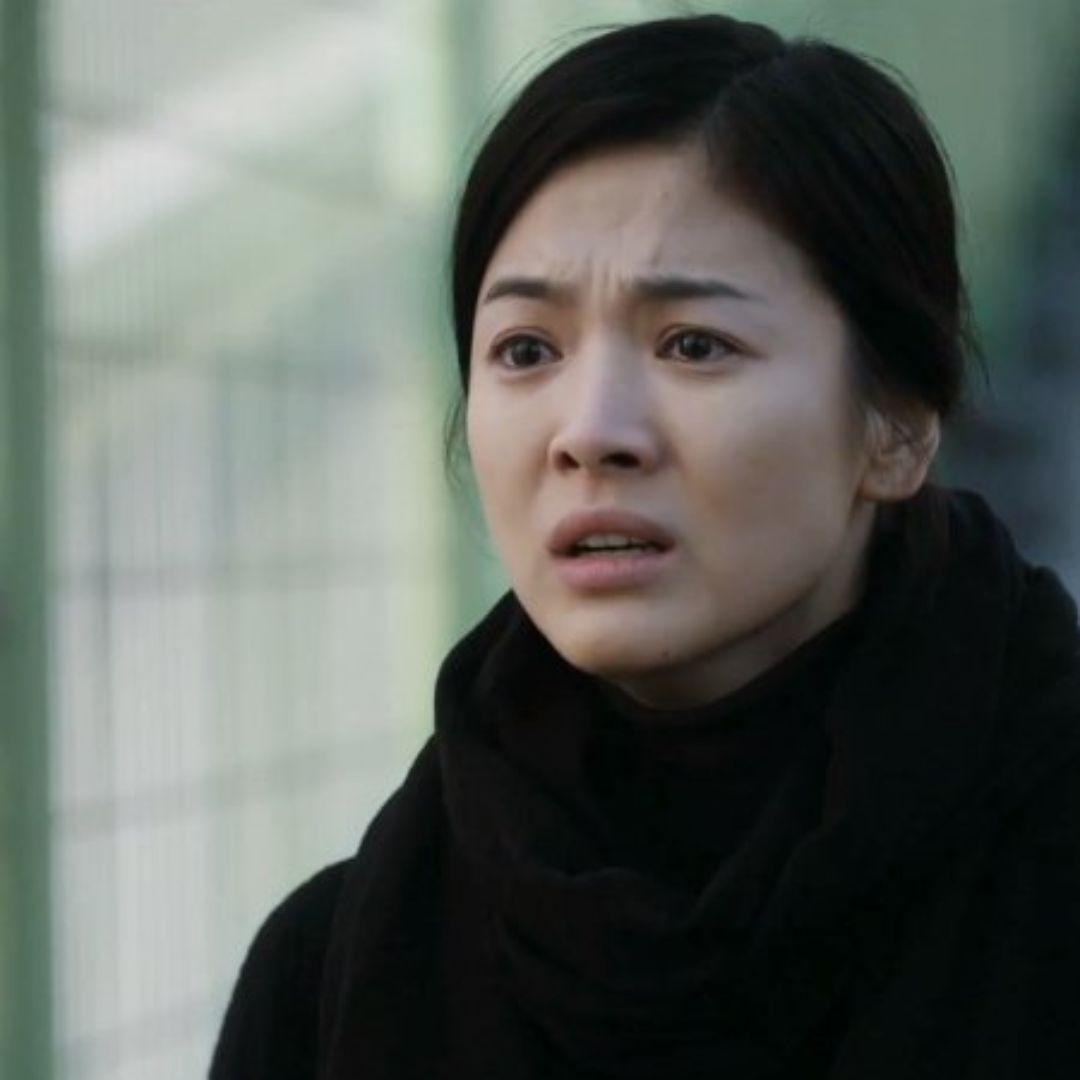
Ji Min’s emotional breakdown after revealing her secret guilt shows the raw power of Nam Ji Hyun’s performance.
-
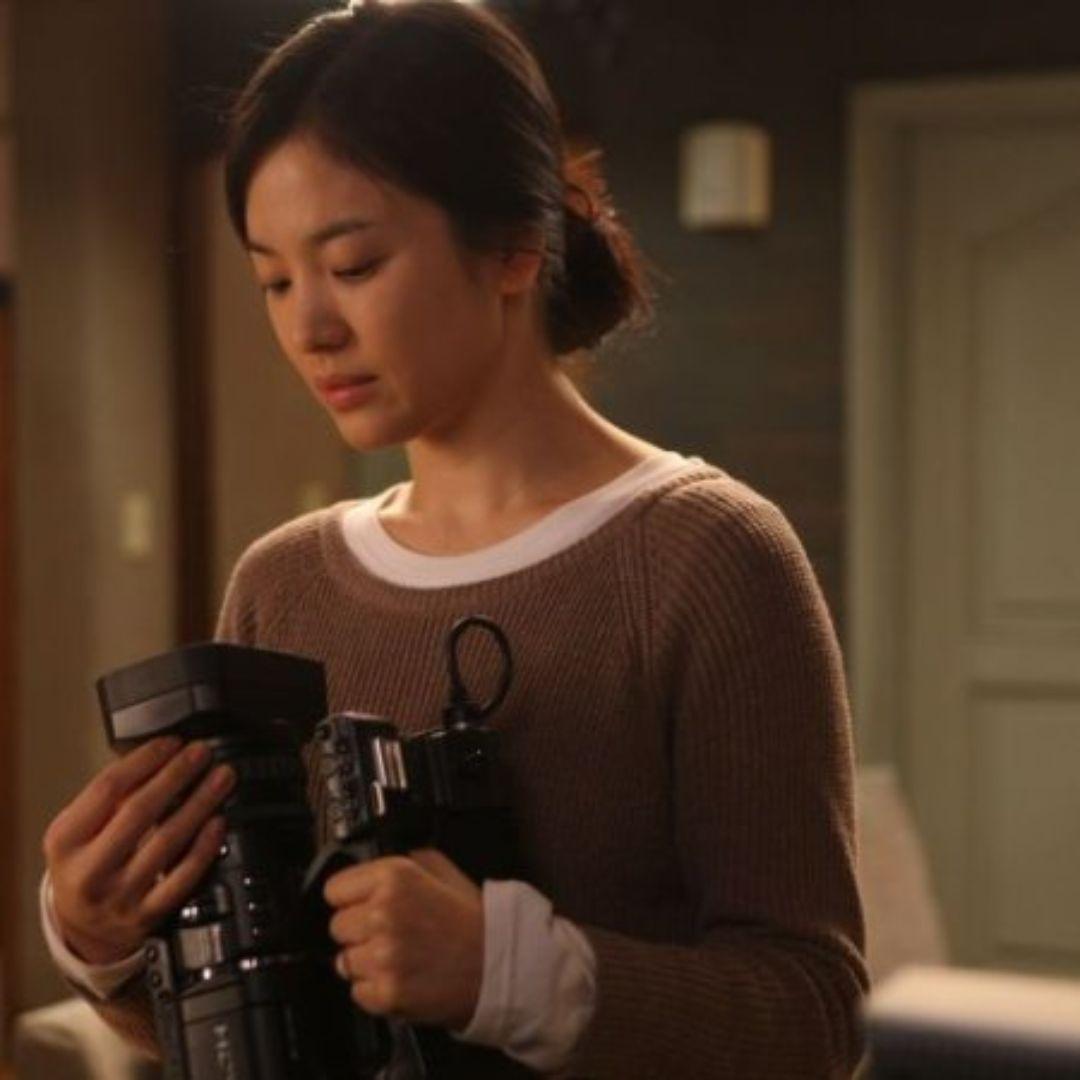
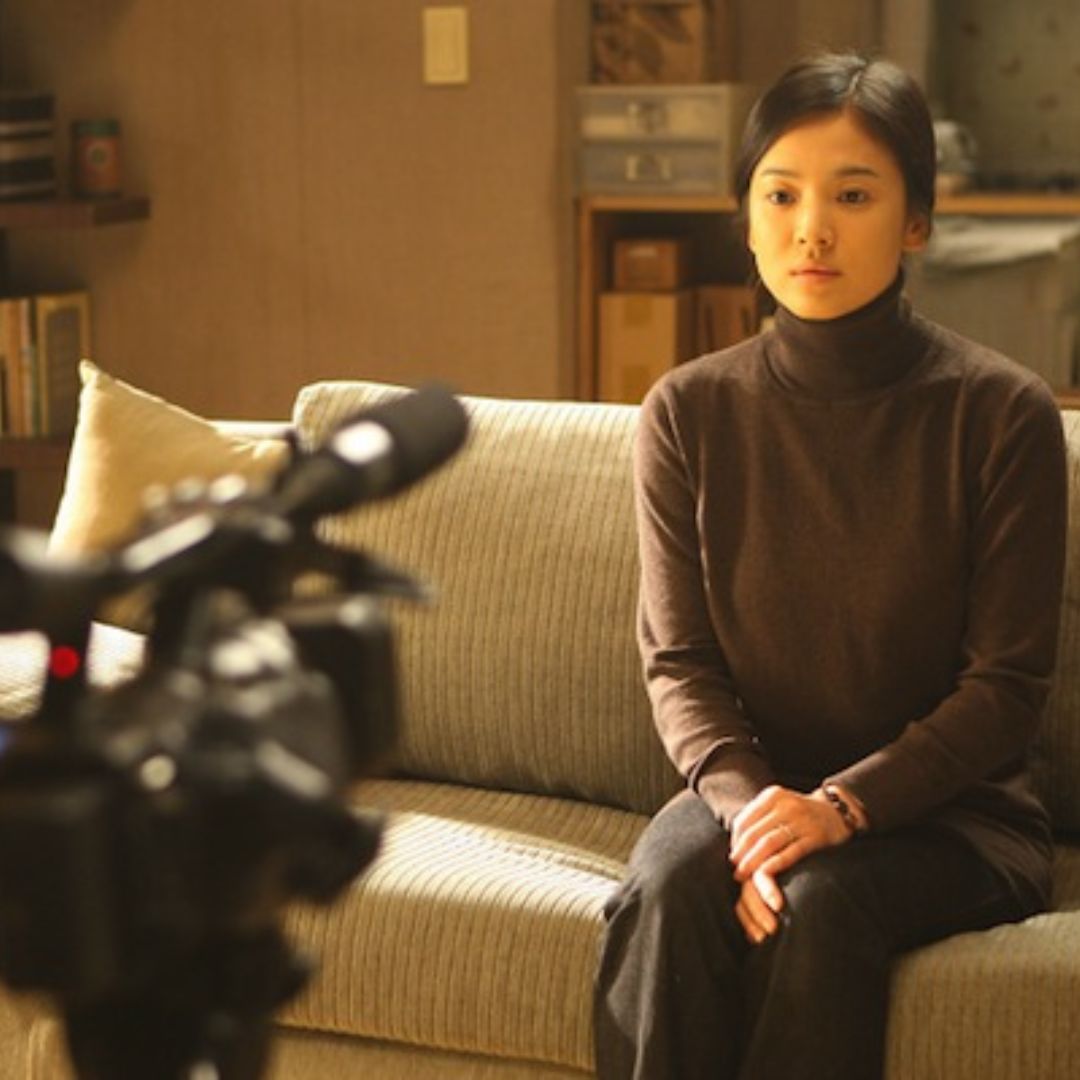
Da Hye watching her own documentary footage, questioning her choices, creates a layered cinematic moment.
-
The final scene at the rooftop, where Da Hye finds personal closure, is quiet but deeply cathartic.
-
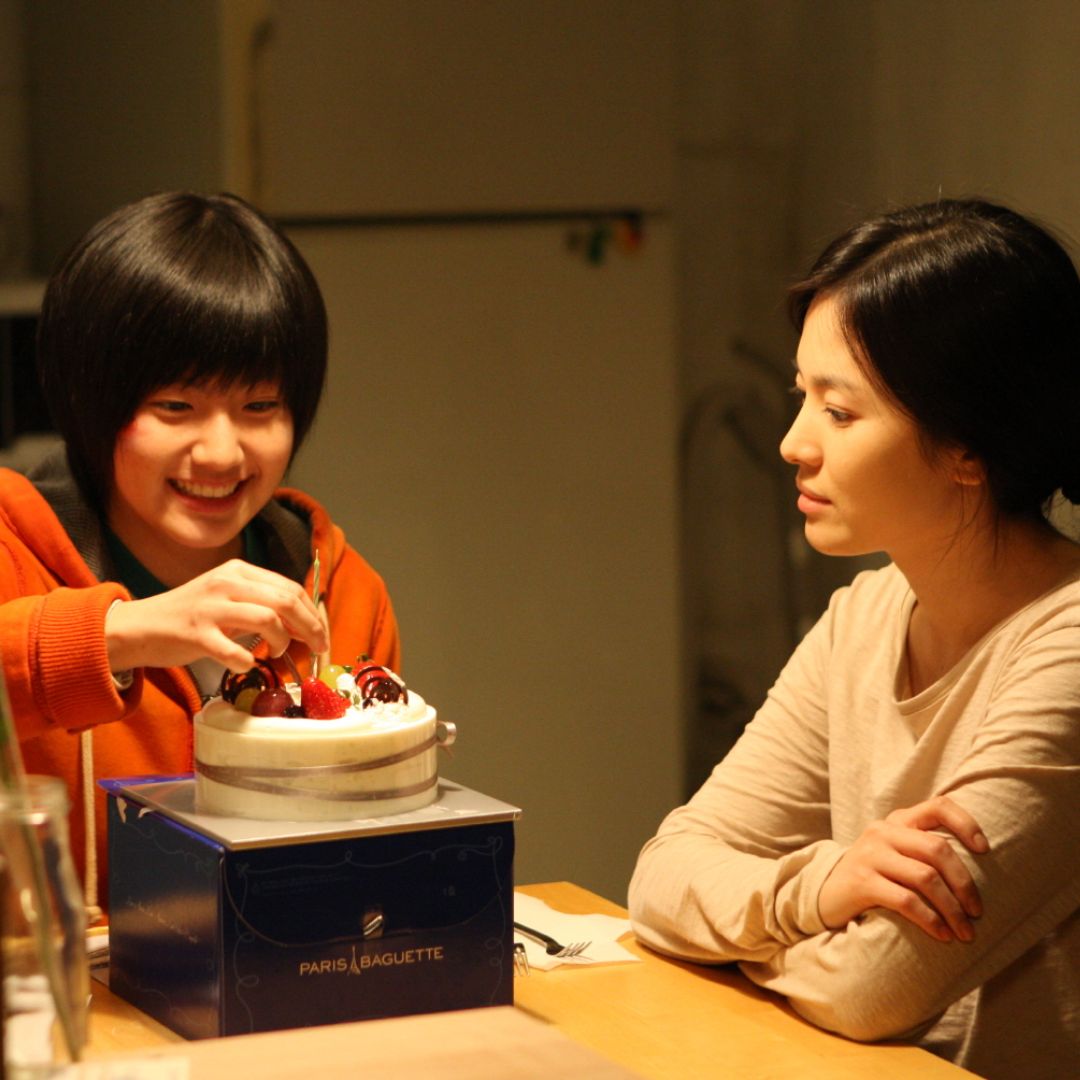
A silent dinner scene between Da Hye and Ji Min, filled with unspoken tension and mutual understanding, is a masterclass in subtle storytelling.
Filming Locations
-
Urban streets of Seoul were used to reflect modern Korean life and its quiet emotional rhythms.
-
Catholic churches and interiors added authenticity to the spiritual and ethical elements of the film.
-
School settings and rooftops created intimate spaces where key emotional exchanges take place.
-
Da Hye’s minimalist apartment mirrors her internal emptiness and emotional distance.
-
Documentary shoot locations, such as parks and cafés, offer realism and thematic grounding.
Visual Design and Costumes
-
Neutral-toned costumes reflect each character’s emotional state—particularly Da Hye’s gray palette.
-
Handheld camera work during documentary scenes adds realism and depth.
-
Low-saturation color grading sets a somber tone appropriate for themes of loss and grief.
-
Minimalist set design allows focus on character expressions and narrative progression.
-
Symbolic use of light and shadow in Da Hye’s apartment and churches highlights emotional duality.
Themes and Messages
-
Forgiveness vs. justice is the central conflict, challenging viewers to think ethically and emotionally.
-
The weight of grief is portrayed not through melodrama but through quiet, reflective storytelling.
-
The healing power of storytelling, especially through Da Hye’s documentaries, is deeply explored.
-
Youth guilt and redemption, especially through Ji Min’s arc, adds psychological complexity.
-
The silence of trauma—what’s not said often carries more weight than spoken dialogue.
Interesting Facts
-
Song Hye Kyo took on this role to break away from romantic dramas and challenge herself with emotional depth.
-
The film was directed and written by Lee Jeong-hyang, best known for The Way Home, marking her return after nearly a decade.
-
The title “Oneul” (오늘) means “Today” in Korean, emphasizing living in the present moment despite past pain.
-
It premiered at the Busan International Film Festival in 2011, gaining critical acclaim.
-
The film explores restorative justice, a rare theme in Korean cinema, making it stand out among contemporary dramas.
Awards
🏆 Awards
-
Women in Film Korea Awards (2011)
-
Actress Award: Awarded to Song Hye-kyo for her performance in A Reason to Live.
-
-
Female Movie People Awards (2011)
-
Acting Award: Presented to Song Hye-kyo for her role in A Reason to Live.
-
🏅 Nominations
-
21st Buil Film Awards (2012)
-
Best New Actress: Nam Ji-hyun was nominated for her role in A Reason to Live.
-
Real-Life Loves on Set
There is no confirmed real-life romantic relationship that developed between the cast members of the Korean film A Reason to Live (2011). While the movie stars Song Hye Kyo and Nam Ji Hyun in emotionally intense roles, their connection remained strictly professional throughout the filming process.
There have been no media reports, interviews, or official statements suggesting that any behind-the-scenes romance occurred during or after production. The focus of the cast and crew was on delivering a heartfelt story about grief, forgiveness, and healing.
If any such relationships had emerged or been publicly acknowledged, they would likely have been covered by Korean entertainment media—especially considering Song Hye Kyo’s high-profile status. But in this case, the emotional depth seen on screen was purely part of their compelling performances.