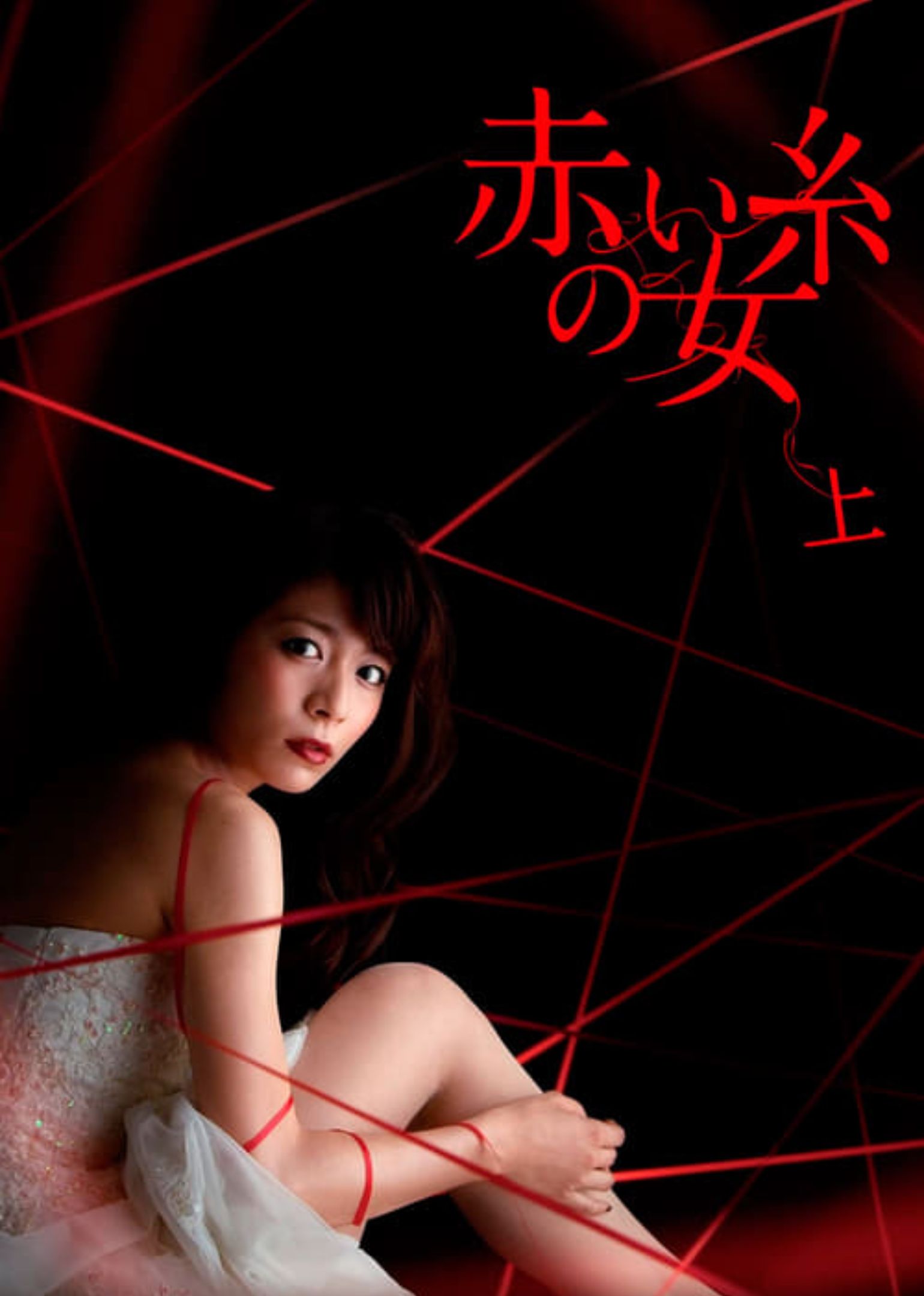
Akai Ito no Onna
"Akai Ito no Onna" (2012) is a Japanese drama that delves into the intricate dynamics of family, personal identity, and societal expectations. The story centers on Yumi Shimura, portrayed by Mana Mikura, who faces profound changes after her mother's sudden departure during her childhood. Growing up in a suburban city undergoing rapid modernization, Yumi grapples with feelings of abandonment and the complexities of her father's remarriage to Fujiko Shimura, played by Sawako Kitahara. This new family structure presents challenges, especially as Yumi and her stepmother struggle to connect. As Yumi enters university, she seizes the opportunity to move into the college dormitory, seeking independence and a fresh start. There, she encounters Seria Kano (Kae Okumura) and Maiko Takamichi (Natsuhi Ueno), forming bonds that help her navigate the trials of young adulthood. Throughout the series, Yumi confronts her past and strives to define her own path amidst societal pressures and personal dilemmas. "Akai Ito no Onna" offers a poignant exploration of resilience, self-discovery, and the enduring impact of familial ties.
Details
🙂 Native Title: 赤い糸の女
🌎 Also Known As: The Woman of the Red Thread
🎭 Genres: Drama, Human Drama
🏷 Tags: Family Drama, Personal Identity, Modernization, Societal Expectations, Resilience
✍ Screenwriter: Nakajima Takehiro
🎬 Directors: Nagaoki Wataru, Fujiki Yasuyuki, Saichi Yukito
🇯🇵 Country: Japan
🎬 Episodes: 44
🗓️ Aired: September 3, 2012 – November 2, 2012
📅 Airing Days: Monday to Friday
📺 Original Network: Fuji TV / Tokai TV
⏰ Duration: Approximately 30 minutes per episode
🔞 Content Rating: Not Available
Best Scenes
-
Yumi’s Confrontation with Her Mother: A pivotal moment where Yumi Shimura confronts her estranged mother, Toyoko Akagi, revealing deep-seated emotions and unresolved conflicts.
-
Seria’s Transformation Revelation: The dramatic unveiling of Seria Kano’s transformation after cosmetic surgery, highlighting themes of identity and societal pressure.
-
Maiko’s Family Secret: Maiko Takamichi discovers a hidden truth about her family’s past, adding complexity to her character and the storyline.
-
Yumi and Seria’s Showdown: A tense confrontation between Yumi and Seria, showcasing their rivalry and personal struggles.
-
Fujiko’s Confession: Fujiko Shimura admits her true feelings about her role in Yumi’s life, providing insight into their strained relationship.
Filming Locations
-
Tokyo Suburbs: The series is set in a suburban city facing modernization, reflecting the changing dynamics of Japanese society.moviefone.com+1trakt.tv+1
-
University Campus: Scenes depicting Yumi’s college life were filmed on a university campus, emphasizing her quest for independence.
-
Traditional Japanese Home: The Shimura family’s residence showcases traditional Japanese architecture, contrasting with the modernizing surroundings.
-
Urban Streetscapes: Urban settings highlight the juxtaposition between traditional values and contemporary challenges.
-
Countryside Retreats: Scenes set in rural areas provide a serene backdrop, symbolizing escape and reflection for the characters.
Visual Design and Costumes
-
Traditional Attire: Characters don traditional Japanese clothing during significant events, emphasizing cultural heritage.
-
Modern Fashion: The contrast between traditional and contemporary attire reflects the characters’ internal and external conflicts.
-
Symbolic Color Palette: Use of red threads and motifs symbolizes fate and interconnectedness, aligning with the series’ title.
-
Authentic Set Designs: Sets replicate traditional Japanese interiors, enhancing the cultural authenticity of the narrative.
-
Evolving Wardrobe: Costume changes mirror character development, illustrating personal growth and changing circumstances.
Themes and Messages
-
Fate and Destiny: Explores the concept of the “red thread” connecting individuals, questioning predestined relationships.
-
Identity and Transformation: Addresses how personal choices and societal expectations shape one’s identity, as seen with Seria’s transformation.
-
Family Dynamics: Delves into complex family relationships, highlighting the impact of past actions on present connections.
-
Resilience Amidst Change: Characters navigate personal and societal changes, showcasing resilience in the face of adversity.
-
Jealousy and Rivalry: Examines how envy and competition influence relationships and personal decisions.
Interesting Facts
-
Cultural Symbolism: The title references the East Asian belief in the “red thread of fate,” symbolizing destined connections.
-
Exploration of Cosmetic Surgery: The series addresses societal pressures regarding appearance, a topic of relevance in contemporary Japan.
-
Depiction of Modernization: Highlights the challenges faced by traditional communities amidst rapid urban development.
-
Focus on Female Perspectives: Centers on the experiences and relationships of women, providing insight into their societal roles.
-
Human Drama Genre: Classified as a “human drama,” the series emphasizes character-driven storytelling over sensationalism.
Awards
There is no public record of any awards or nominations for the Japanese drama “Akai Ito no Onna” (2012).
Real-Life Loves on Set
There is no public record or credible information indicating that any real-life romantic relationships developed among the cast members of the 2012 Japanese drama “Akai Ito no Onna” (赤い糸の女). Notably, actors such as Mana Mikura, Kae Okumura, Natsuhi Ueno, and Jun’ichi Ishida have not been reported to have engaged in off-screen romances with their co-stars from this series. Therefore, it appears that the on-screen relationships in “Akai Ito no Onna” remained strictly professional.


