Bulgasari: Korea’s Iron-Eating Monster
Bulgasari: Korea’s Legendary Iron-Eating Monster in Myths and Media
Bulgasari (also spelled Bulgasar or Bulgasal) is a fascinating figure from Korean folklore, often described as a colossal, iron-eating creature. For centuries, the legend of Bulgasari has captivated imaginations with its themes of resilience, unstoppable power, and the dangers of unchecked greed. Today, Bulgasari’s influence spans not only mythological tales but also modern media, including films, dramas, literature, and video games.
What is Bulgasari?
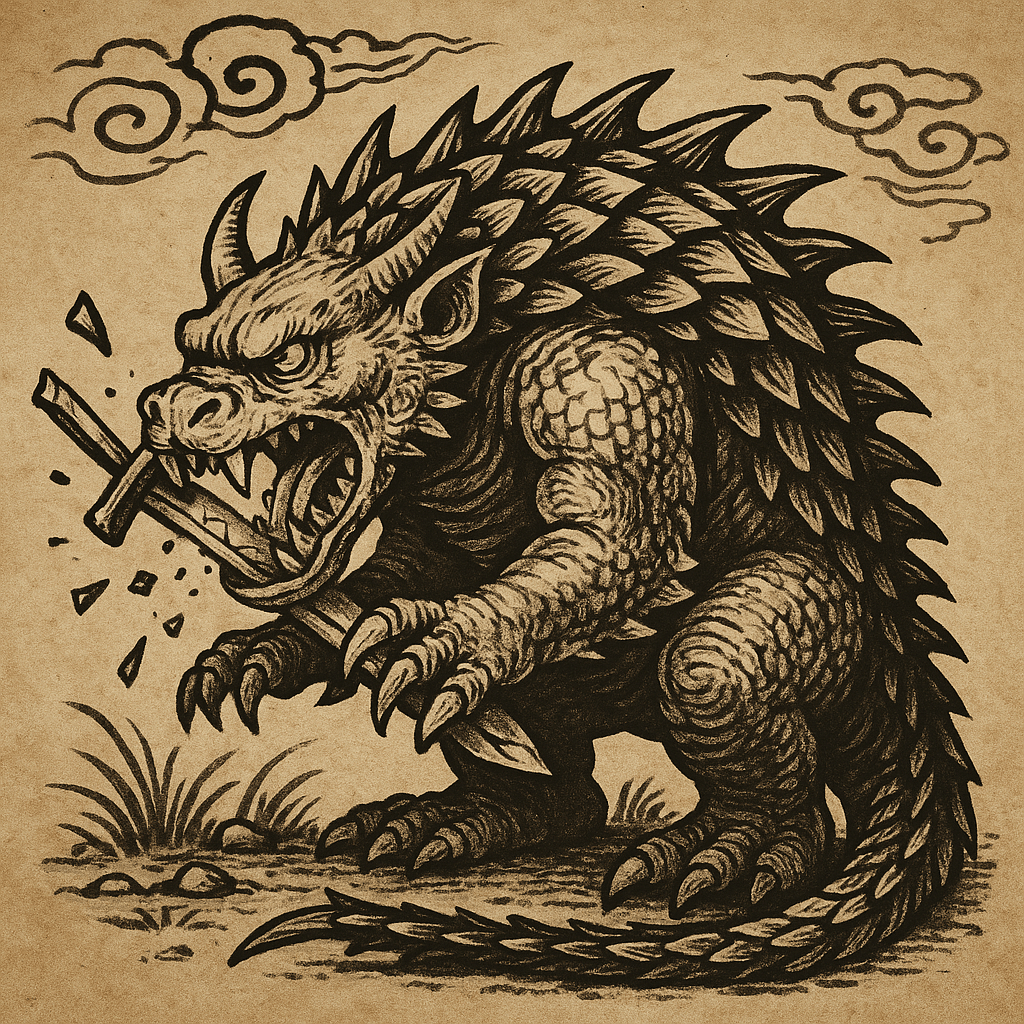
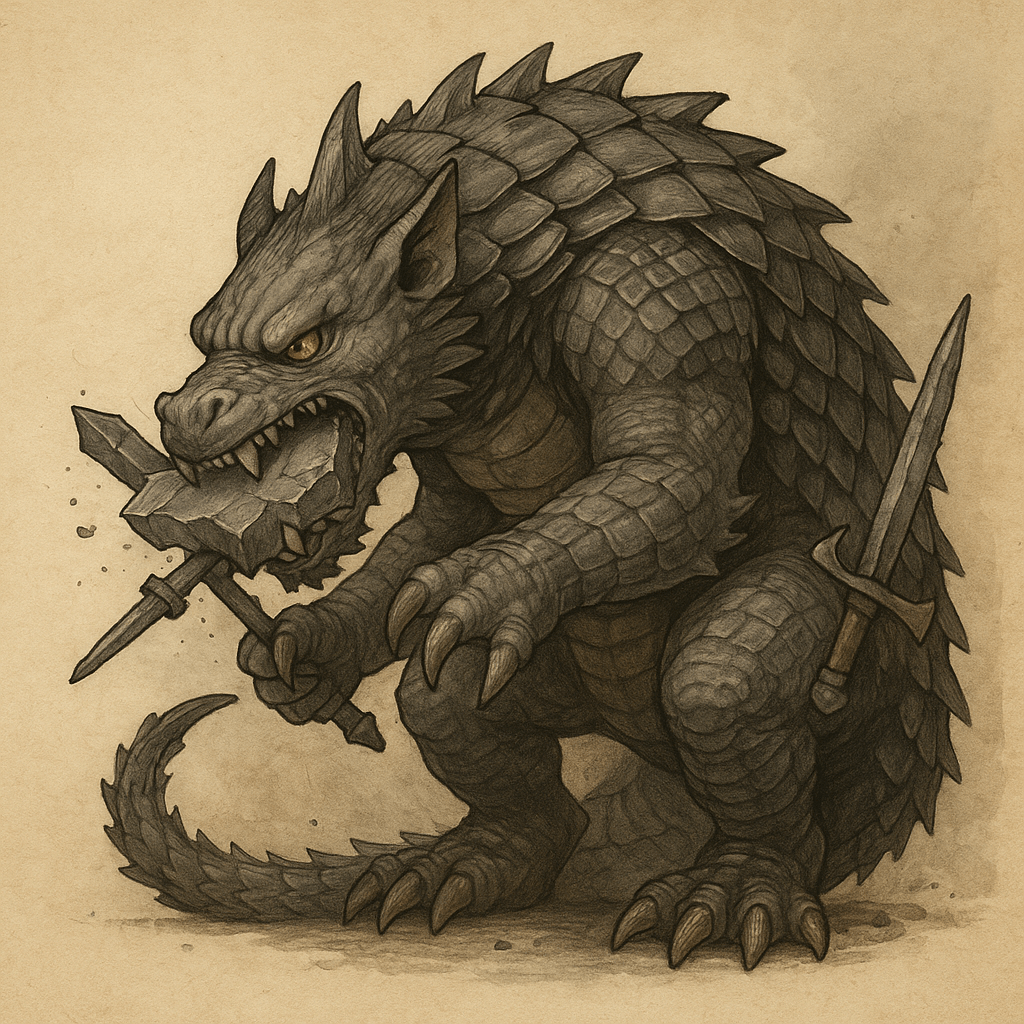
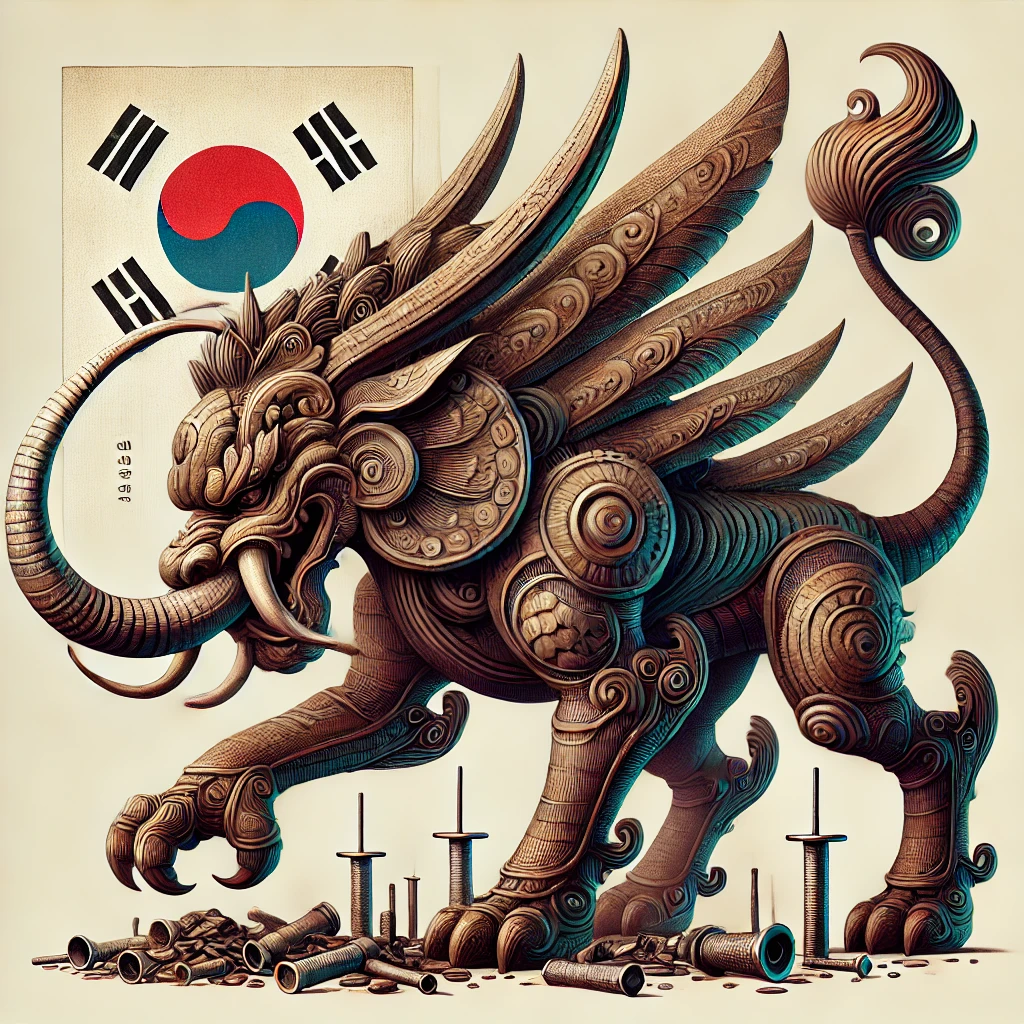
Bulgasari is typically depicted as a monstrous creature with a body resembling a mix between a bear and a pangolin, armored in tough, scale-like metal plates. The creature’s most famous characteristic is its insatiable appetite for iron and metal. According to traditional stories, Bulgasari consumes anything made of metal, growing stronger and more indestructible with every bite.
In some versions of the legend, Bulgasari was created through a magical ritual by a Buddhist monk or a blacksmith to defend oppressed people against corrupt rulers or invaders. However, once unleashed, the creature’s endless hunger for metal made it impossible to control, leading to unintended chaos.
Characteristics and Powers of Bulgasari
Iron-Eating Ability: Bulgasari can consume any metallic object, from weapons to armor, making it nearly impossible to defeat using conventional means.
Monstrous Strength: As Bulgasari consumes more iron, it grows in size and power, becoming an unstoppable force.
Invulnerability: Its metal-like armor and ever-growing strength render it virtually indestructible.
These traits contribute to Bulgasari’s reputation as a symbol of resilience and also as a cautionary figure about the uncontrollable nature of power.
Bulgasari’s Cultural Impact
Films
One of the most notable adaptations of the Bulgasari legend is the 1985 North Korean film “Pulgasari,” directed by Shin Sang-ok. The film portrays Pulgasari as a creature created to help oppressed peasants overthrow a tyrannical government. However, the creature’s appetite grows beyond control, symbolizing the double-edged nature of revolution and unchecked power.
South Korea has also embraced the myth in various ways, with elements of Bulgasari appearing in monster films and inspiring creatures with similar traits.
Dramas and Literature
“Bulgasal: Immortal Souls” (2021-2022) is a popular Korean drama that draws inspiration from the Bulgasari legend. Although the story reinterprets the myth in a unique way, it echoes themes of immortality, vengeance, and supernatural battles.
Bulgasari appears in numerous Korean mythological anthologies and children’s storybooks, where its tales serve both as moral lessons and adventurous folklore.
Video Games and Anime
Bulgasari’s influence is evident in gaming culture as well. In games like “War Robots,” characters inspired by Bulgasari are powerful, metal-consuming entities with near-invincibility. Anime and cartoons often feature creatures modeled after Bulgasari’s unstoppable and armored nature.
Symbolism of Bulgasari
The story of Bulgasari is rich with symbolism, resonating with both ancient and contemporary audiences:
Power and Its Consequences: Bulgasari’s uncontrollable hunger highlights the dangers of granting too much power without restraint.
Greed and Excess: The creature embodies how endless greed can lead to self-destruction.
Resilience and Strength: Despite its darker aspects, Bulgasari also symbolizes incredible resilience and the ability to withstand adversity.
Related Legends and Stories
In some Korean tales, a variation of Bulgasari appears during the Goryeo Dynasty. One story tells of a blacksmith who created a tiny creature using rice, needles, and metal scraps. The creature grew uncontrollably after consuming iron, leading to havoc across villages until it was finally subdued through cunning rather than brute force.
Bulgasari’s legend also intertwines with the idea of “bugra” — a mythical animal often referenced in East Asian folklore as a symbol of endurance and invincibility. Though “bugra” and Bulgasari are distinct, their thematic overlaps have contributed to a richer tapestry of mythological storytelling in Korean and broader Asian cultures.
Bulgasari in the Modern World
Thanks to the global popularity of Korean dramas and media, keywords like “bulgasal kdrama,” “bulgasari korean mythology,” and “bulgasari creature” are frequently searched by fans worldwide. The creature’s enduring appeal is evident in SEO trends, with related terms like “bulgasal episodes,” “bulgasal reviews,” and “bulgasal immortal souls cast” drawing significant interest.
Whether as a symbol of resistance, a warning about the perils of greed, or a fascinating figure of fantasy, Bulgasari remains a prominent and compelling part of Korean cultural heritage.
Final Thoughts
Bulgasari is much more than a mythological monster; it is a complex symbol woven into the fabric of Korean folklore and popular culture. From ancient legends to modern television dramas like “Bulgasal: Immortal Souls,” Bulgasari continues to evolve, reflecting societal themes that are as relevant today as they were centuries ago. Its portrayal in films, dramas, and games ensures that the iron-eating giant will captivate and inspire new generations around the world.
Whether you are exploring Korean myths or diving into the thrilling worlds of K-dramas and fantasy, Bulgasari stands tall as a legendary creature that embodies power, resilience, and the eternal tension between creation and destruction.
Gallery