Dokkaebi: Korea’s Mysterious Goblin Shaping Myths and Modern Media
Dokkaebi, often referred to as the Korean goblin, holds a unique place in Korean folklore, embodying a fascinating blend of playful mischief and supernatural power. Known for its whimsical nature and magical abilities, the Dokkaebi has appeared in countless tales, warning against human greed or rewarding cleverness. Today, this mythical figure continues to influence popular culture, inspiring hit dramas, films, literature, and even games. From its traditional roots to its presence in modern media, Dokkaebi remains a beloved and feared character that represents the complexity of Korean folklore.
What is a Dokkaebi?
Dokkaebi are mythical creatures distinct from Western goblins; they are neither purely good nor purely evil. Rather, they are supernatural entities who enjoy interacting with humans, often appearing to challenge or prank them. Unlike demons, Dokkaebi aren’t malicious; instead, they have a dual nature, delighting in games and trickery but occasionally offering wisdom or rewards. Most legends describe them as solitary beings who roam the mountains, caves, or abandoned paths, appearing mostly at night.

The Appearance and Traits of Dokkaebi
Dokkaebi are typically depicted with exaggerated, humorous features, embodying their playful nature. Here are some defining characteristics:
Appearance
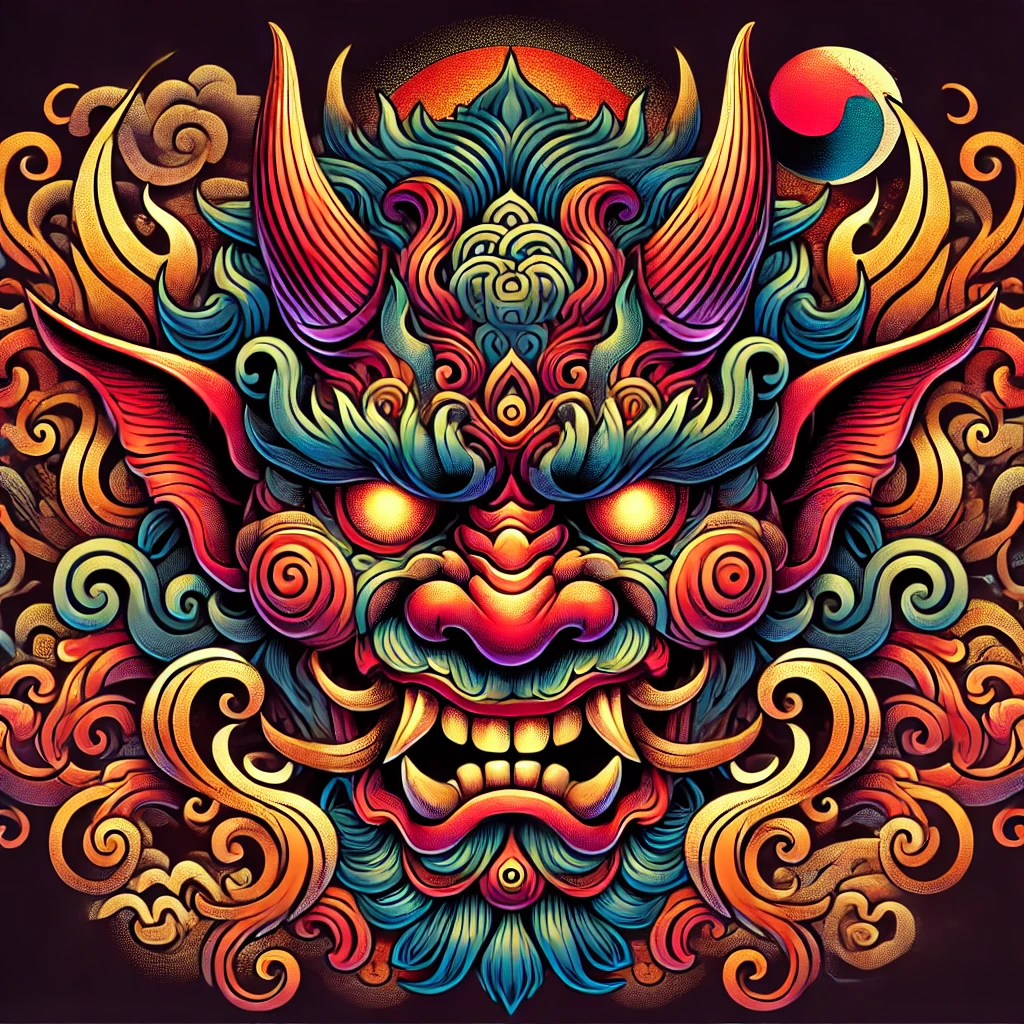
Dokkaebi are commonly illustrated with horns, big eyes, and a mischievous smile. They often wear traditional Korean attire, including hanbok-like robes, but with a whimsical twist, such as oversized shoes or odd hats. Unlike monsters in other folklore, Dokkaebi’s appearance is often more amusing than frightening, reflecting their role as tricksters rather than threats.
Powers and Magical Tools
Dokkaebi wield several unique abilities and magical items that set them apart:
- Dokkaebi Bangmangi (Magic Club): Their iconic club can grant wishes, summon objects, or teleport. Legend says they use it to transform into different forms, challenge humans, or reward those who impress them.
- Weather Control: Many tales describe Dokkaebi with the power to control fog and storms, adding an aura of mystery to their appearances.
- Transformation: Some stories tell of Dokkaebi who shapeshift into beautiful women or animals to interact with humans, sometimes testing their intentions.
Dokkaebi in Korean Folklore: Key Myths and Stories
The Dokkaebi’s place in Korean folklore is as varied as the regions of Korea itself. Here are some popular themes that Dokkaebi legends explore:
- Greed vs. Generosity: In many stories, Dokkaebi appear to test humans’ moral character. Those who show generosity or cleverness are often rewarded with wealth, while greedy individuals face humorous but harmless punishments.
- Challenging Humanity: Dokkaebi love games and challenges. They often play wrestling games with humans and, if bested, leave behind treasures or blessings. However, if they win, they sometimes play a lighthearted prank as a reminder of their superiority.
- Protective Spirits: In some regions, Dokkaebi are seen as protectors of nature, warning people not to damage forests or rivers. This portrayal aligns with Korean culture’s emphasis on harmony with nature.
Dokkaebi in Modern Popular Culture
Dokkaebi’s charm has made it a popular character in Korean dramas, films, and literature. Here are some modern adaptations that have reimagined this mythical figure:
K-Dramas
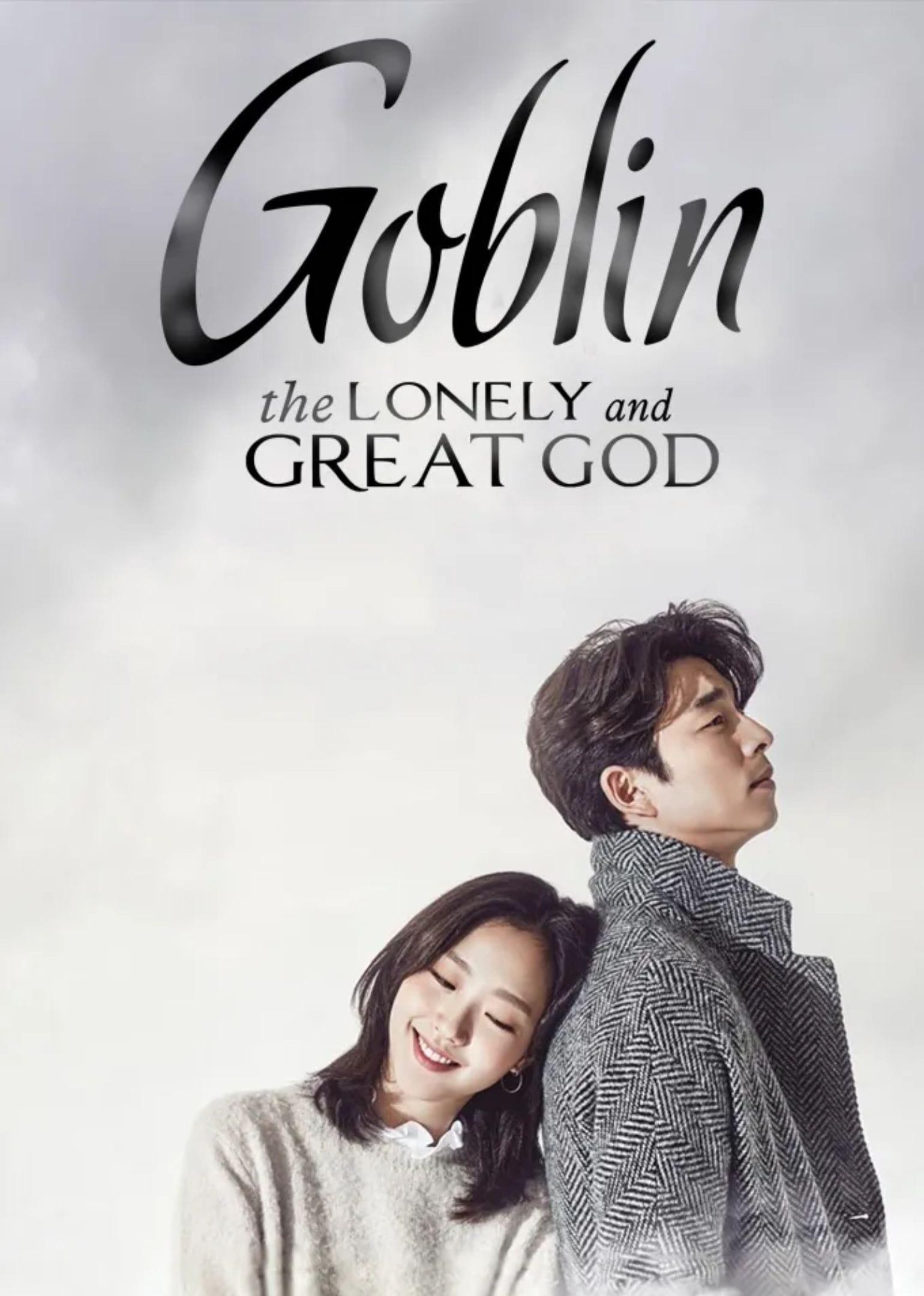
- Goblin (Guardian: The Lonely and Great God): This 2016 drama series reinterpreted the Dokkaebi as a tragic, immortal hero cursed with immortality. Played by Gong Yoo, this character combines Dokkaebi’s playful side with a deep sense of duty, introducing a romantic, introspective side to the figure.
- The Tale of Nokdu: This show includes a Dokkaebi-inspired character, blending romance and fantasy to keep viewers intrigued.
Films and Animation
- The Wailing: This thriller touches on Korean supernatural folklore and features elements inspired by Dokkaebi, portraying mysterious forces that challenge human understanding.
- Animated Series: Several Korean animated shows incorporate Dokkaebi as a fun character, appealing to children while introducing elements of traditional folklore.
Literature and Video Games
- Korean Folktale Books: Children’s books and folktale collections often introduce Dokkaebi in simple, engaging stories, preserving these myths for future generations.
- Video Games: Dokkaebi also appears in popular Korean games, usually as a character that grants special powers, puzzles, or quests, keeping the spirit of the trickster alive.
Why Dokkaebi Captures Modern Imagination
The enduring popularity of Dokkaebi comes from its complex personality. It is a figure that embodies both light and dark aspects, making it relatable across cultures and eras. Dokkaebi is adaptable, taking on new roles and forms that resonate with contemporary audiences while remaining rooted in traditional values.
- Universality of the Trickster Archetype: Like trickster figures in other cultures, such as the Native American Coyote or the Japanese Kitsune, Dokkaebi speaks to humanity’s love for humor, challenge, and a sense of justice.
- Cultural Identity: For Koreans, Dokkaebi is more than a character—it’s a symbol of national identity, representing Korea’s rich storytelling tradition and deep connection to nature.
- Inspiring Creativity: From historical dramas to modern animations, the Dokkaebi’s dual nature offers endless creative possibilities for artists and writers.
Dokkaebi continues to inspire and entertain audiences worldwide, from classic folktales to modern K-dramas. As a complex character that balances humor with wisdom, mischief with generosity, Dokkaebi embodies the playful spirit of Korean culture. Its influence on media highlights the power of mythology to transcend time, keeping cultural stories alive for new generations. Whether as a mischievous goblin or a misunderstood hero, Dokkaebi stands as a testament to Korea’s vibrant heritage and storytelling tradition.