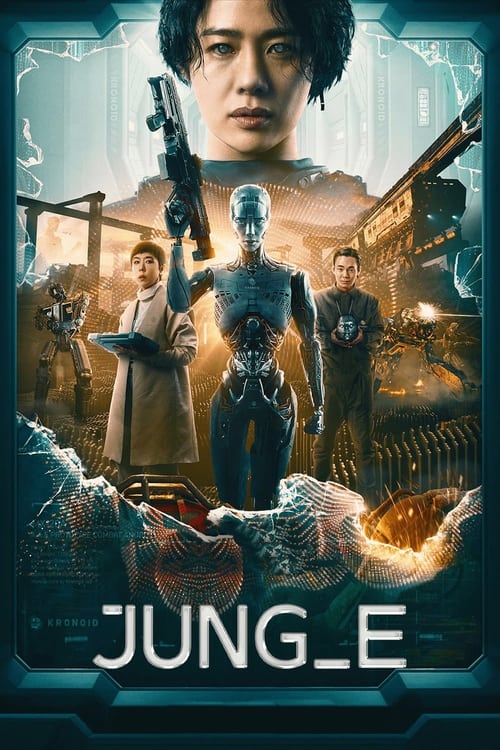
South Korea · Film · 2023
Jung_E
Binge Brief
- Jung_E premiered on Netflix on January 20, 2023.
- The film runs 99 minutes.
- It was the final film role of Kang Soo-yeon, who died before the film's release.
- Written and directed by Yeon Sang-ho, also known for Train to Busan and the Hellbound series.
- Dexter Studios handled the film's visual effects.
Synopsis
Jung_E is a 2023 Netflix science fiction film written and directed by Yeon Sang-ho, set after Earth becomes uninhabitable in 2135 and what is left of humanity relocates to shelters in orbit. Decades into a war between the Adrian Republic and the Allied Forces, a research team is racing to build the ultimate combat AI.
At the center of the project is Yun Seo-hyun (Kang Soo-yeon), a lead scientist at the Kronoid Institute who is dying of cancer and wants one more success before she steps away. Her raw material is the brain data of her own mother, Yun Jung-yi (Kim Hyun-joo), a mercenary whose final mission decades earlier ended in the coma that made her a legend. Turning that data into a working combat clone, code-named Jung_E, means running her mother's worst memory in simulation after simulation.
Ryu Kyung-soo plays Kim Sang-hoon, the institute's director, whose own claim to being human is thinner than it looks. As the simulations keep failing at the same point, Seo-hyun has to decide how far she is willing to go, and what she owes to a copy of the mother she has spent her life trying to live up to.
This was the final screen role of Kang Soo-yeon, who died before the film's January 2023 release; the film carries a dedication to her at its close. Dexter Studios handled the visual effects, continuing Yeon Sang-ho's run of genre films that also includes Train to Busan and the Hellbound series.
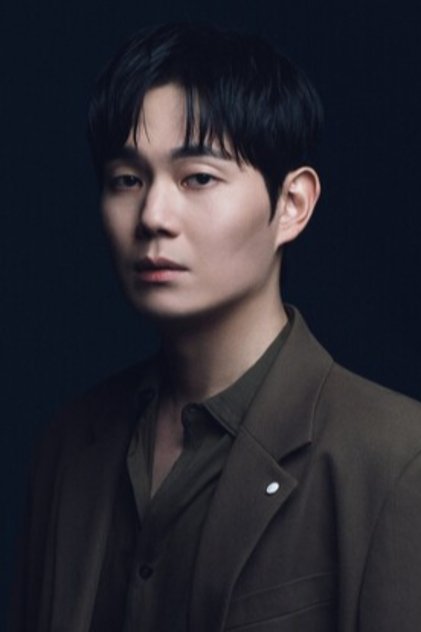
Jung_E cast


Best scenes
- Opening Battle: Jung_E's introduction during a combat simulation sets the tone with its spectacular visual effects and action, instantly pulling viewers into the film’s futuristic setting.
- The Clone Lab Revelation: A scene where the cloning facilities are revealed, showcasing the ethical and philosophical dilemmas faced by the characters.
- Final Confrontation: The climactic battle between the AI Jung_E and the corporate military forces, featuring a mix of emotion and high-stakes action.
- Yun Seo-hyun's Flashbacks: These poignant scenes provide depth to the narrative, revealing the personal losses that fuel the main characters' motivations.
- The Escape Sequence: A thrilling escape that combines suspense with innovative special effects, highlighting the characters' fight for survival.
Filming locations
- High-Tech Research Facilities: Constructed sets that mimic advanced scientific labs, designed to reflect the cutting-edge technology depicted in the film.
- Rugged Terrains: Outdoor scenes filmed in the rugged, mountainous regions of South Korea, symbolizing the desolation and harshness of the dystopian world.
- Urban Ruins: Utilized abandoned urban areas to film scenes of conflict and decay, enhancing the post-apocalyptic aesthetic.
- Futuristic Cityscapes: CGI-enhanced shots that created visually striking futuristic cities, serving as a backdrop for the story's more dynamic scenes.
- Closed Environment Battle Arenas: Enclosed, controlled environments where much of the film’s action takes place, emphasizing the claustrophobic and controlled nature of the characters' lives.
Visual design and costumes
- AI Warriors' Armor: Designed to be both intimidating and functional, highlighting the blend of human and machine.
- Scientist Attire: Reflects the corporate influence over scientific endeavors, with sleek, modern designs that contrast with the more rugged military gear.
- Environmental Design: Depicts a visually degraded world on the brink of collapse, with attention to detail in creating a believable post-apocalyptic setting.
- Robotic Design: Features robotics designs central to the film's action sequences, combining CGI with practical effects for the combat clones.
- Color Palette: Uses a cold, metallic color palette to match the film's themes of artificial intelligence and dystopia.
Themes and messages
- Ethics of AI: Examines the moral implications of artificial intelligence and its potential to surpass human control.
- Identity and Humanity: Explores what it means to be human in a world where consciousness can be digitized and replicated.
- Corporate Exploitation: Critiques the role of corporate entities in advancing technology at the expense of ethical considerations.
- Survival and Resistance: Highlights themes of survival in an oppressive system and the resistance against dehumanizing forces.
- Legacy and Memory: Tackles the impact of personal and collective memory on identity and the quest for immortality through technology.
Interesting facts
- Kang Soo-yeon's Final Film: This film is particularly notable as it is the last film featuring the acclaimed actress Kang Soo-yeon.
- Director's Vision: Directed by Yeon Sang-ho, who is known for integrating social commentary with genre filmmaking.
- Innovative Special Effects: Utilizes state-of-the-art special effects to create the AI characters and battle scenes.
- International Collaboration: Involves a production team that includes international special effects artists and designers.
- Critical Acclaim: Despite its dark themes, the film has been critically acclaimed for its narrative and visual innovation.
Real-life loves on set
There are no publicly reported instances of real-life romantic relationships developing among the cast members on the set of "Jung_E." The film focuses heavily on its thematic content and visual storytelling, and there hasn't been any media coverage suggesting romantic developments among the cast during the production.
If you liked this film
Matched on genre, country and era. Closest first.