
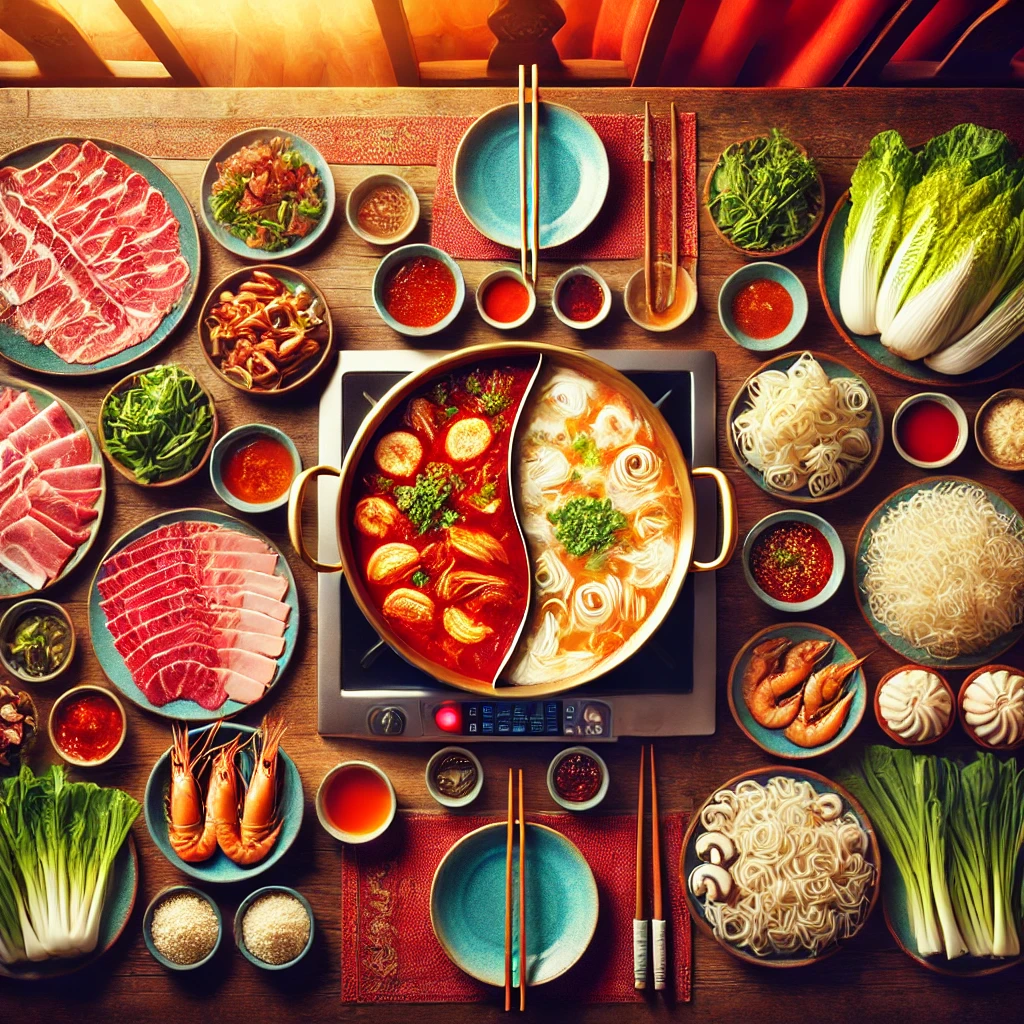
Kpot: The Ultimate Guide to Korean Hot Pot
Kpot, also known as Korean hot pot, is a fun and interactive way to enjoy a meal with family and friends. This popular dining experience involves cooking a variety of fresh ingredients like meats, seafood, vegetables, and noodles in a simmering pot of broth right at your table. Whether you’re a fan of rich, spicy flavors or prefer something more mild, Kpot offers endless possibilities for customization, making it a meal everyone can enjoy.
Essential Ingredients for Kpot
When preparing Kpot, the variety of ingredients is key. Here’s a breakdown of the most common ingredients you’ll want to include:
1. Meats:
- Thinly Sliced Beef (Bulgogi or Ribeye): Quick to cook and tender, these slices are ideal for absorbing the broth’s flavor.
- Pork Belly: The rich, fatty cut of pork is perfect for adding depth to the broth.
- Chicken Breast: For a lighter option, thinly sliced chicken breast works perfectly.
- Lamb: A common choice in Korean hot pots, lamb adds a unique flavor profile.
2. Seafood:
- Shrimp: Fresh shrimp are sweet and succulent, adding a seafood richness to the broth.
- Clams and Mussels: Shellfish bring a briny, oceanic flavor to the pot.
- Squid or Octopus: Sliced thin, these add a chewy texture and absorb the broth beautifully.
- Fish Fillets: Delicate white fish such as cod or snapper offer a tender, flaky option.
3. Vegetables:
- Napa Cabbage: A staple for its light crunch and ability to soak up the broth.
- Mushrooms (Enoki, Shiitake, Oyster): Various mushrooms add an earthy umami to the mix.
- Spinach or Watercress: These leafy greens are quick to cook and add a healthy touch.
- Radishes and Carrots: Root vegetables balance out the meal with sweetness.
4. Noodles and Rice Cakes:
- Glass Noodles: Made from sweet potato starch, they’re chewy and delicious.
- Udon Noodles: Thick, hearty noodles that absorb the broth well.
- Rice Cakes (Tteok): Chewy rice cakes are a fun addition and a Korean favorite.
Broths for Kpot
Choosing the right broth is essential for enhancing the flavors of your ingredients. Some popular options include:
- Spicy Kimchi Broth: This fiery broth brings a tangy and spicy depth to the meal, perfect for those who love bold flavors.
- Beef Bone Broth: Rich and savory, this broth is ideal for cooking meats and vegetables.
- Mushroom Broth: A lighter, vegetarian-friendly option with earthy undertones.
- Seafood Broth: A briny broth made with shellfish and fish, packed with ocean flavors.
Step-by-Step Directions for Making Kpot at Home
- Choose Your Broth: Start by selecting your favorite broth(s). You can even have two different broths in a divided pot.
- Prepare Your Ingredients: Slice meats, chop vegetables, and gather seafood and noodles. The more variety, the better!
- Start Cooking: Once the broth is simmering, begin adding your ingredients in small batches. Be sure not to overcrowd the pot to ensure everything cooks evenly.
- Dip and Enjoy: Many Kpot diners enjoy dipping their cooked ingredients in sauces such as soy sauce, sesame oil, or gochujang (Korean chili paste) for an extra burst of flavor.
Why Kpot is More Than Just a Meal
Kpot isn’t just about the food; it’s about the experience. The shared process of cooking and eating together creates a sense of connection and fun, making it a favorite for group meals. Plus, with the variety of broths and ingredients available, everyone can tailor their meal to their liking. Whether you’re gathering with family or hosting a dinner party, Kpot is sure to be a hit.
Conclusion: A Taste of Korea at Your Table
Kpot is more than just a dish—it’s a celebration of flavor, tradition, and community. Whether you’re new to Korean cuisine or a seasoned fan, this hot pot experience is a must-try. So gather your ingredients, invite some friends, and dive into the rich world of Kpot!
The Story Behind Kpot
Kpot, also known as Korean hot pot, is rooted in Korea’s rich culinary tradition. The concept of cooking food in a simmering broth traces back to ancient communal dining practices in Korea. Early versions of this dish, like Jeongol, were made by placing a variety of meats, vegetables, and broth in a pot and cooking it over an open flame. As Korea modernized, so did the way people prepared and enjoyed this meal, eventually evolving into the Kpot experience we know today.
The Evolution of Kpot Culture
Kpot grew in popularity during the late 20th century, particularly as the Korean economy boomed and dining out became more common. This form of communal cooking, which combines various fresh ingredients cooked directly at the table, turned into a popular dining experience in urban areas. With the global rise of Korean cuisine in recent decades, Kpot has become a well-loved meal far beyond Korea, with restaurants popping up worldwide.
Kpot Today
Today, Kpot is enjoyed not only for the food but also for the social experience it offers. With endless combinations of broths and ingredients, it allows diners to customize their meal while engaging with others around the table.