The Uncanny Counter
Join the thrilling journey of The Uncanny Counter! Follow a team of demon hunters, led by Cho Byeong Kyu, as they battle evil spirits while hiding in plain sight as noodle shop workers.
South Korea is a fascinating country where ancient tradition, technological advancement, and global pop culture come together in perfect harmony. From royal palaces and Buddhist temples to the bustling nightlife of Seoul and the scenic coasts of Busan and Jeju Island, this vibrant nation offers a unique experience that blends the past with the future.
At the heart of South Korea’s modern identity lies the global phenomenon of K-Culture—a cultural wave driven by K-Dramas, K-Pop, K-Beauty, and K-Fashion. Especially through Korean dramas, the country has captivated international audiences with its emotionally rich storytelling, relatable themes, and unforgettable characters.
Dramas like Crash Landing on You, Goblin, Extraordinary Attorney Woo, Itaewon Class, and Vincenzo have earned cult status globally, often thanks to the incredible performances of Korean actors and actresses. Stars such as Hyun Bin, Song Hye Kyo, Kim Soo Hyun, Park Seo Joon, IU, and Kim Ji Won are not only beloved in Korea but have become household names worldwide. Their work showcases the depth, emotional nuance, and artistic quality that sets K-Dramas apart from any other television genre.
South Korea is also the land of cutting-edge design, smart cities, and digital innovation, while still preserving the elegance of its Hanok villages, traditional clothing like Hanbok, and seasonal festivals like Chuseok and Seollal. You’ll find history in every alleyway, and the future in every café powered by robot servers or AI menus.
And then there’s the food. K-Food is an experience in itself—featuring dishes like kimchi, bulgogi, bibimbap, tteokbokki, and of course, late-night ramyeon scenes that have become iconic in dramas. Eating in South Korea isn’t just about taste—it’s about sharing, tradition, and emotion.
Whether you’re a fan of K-pop idols, K-drama stars, or simply love travel, culture, and food, South Korea offers an adventure like no other. It’s a country of stories—told in music, film, food, fashion, and most of all, in the hearts of its people.

Join the thrilling journey of The Uncanny Counter! Follow a team of demon hunters, led by Cho Byeong Kyu, as they battle evil spirits while hiding in plain sight as noodle shop workers.

Taxi Driver is a gripping Korean drama where Lee Je Hoon delivers justice as Kim Do Ki, a mysterious driver avenging victims. A must-watch for action-thriller fans!

“Twenty-Five Twenty-One” is a heartwarming Korean drama about love, dreams, and friendship, starring Kim Tae Ri and Nam Joo Hyuk. Relive the bittersweet 90s nostalgia!
Twenty-Five Twenty-One Read More

Tale of the Nine-Tailed 1938 takes Lee Dong Wook back in time as the Gumiho, blending fantasy, action, and romance in a thrilling Korean drama. A must-watch sequel!
Tale of the Nine-Tailed 1938 Read More
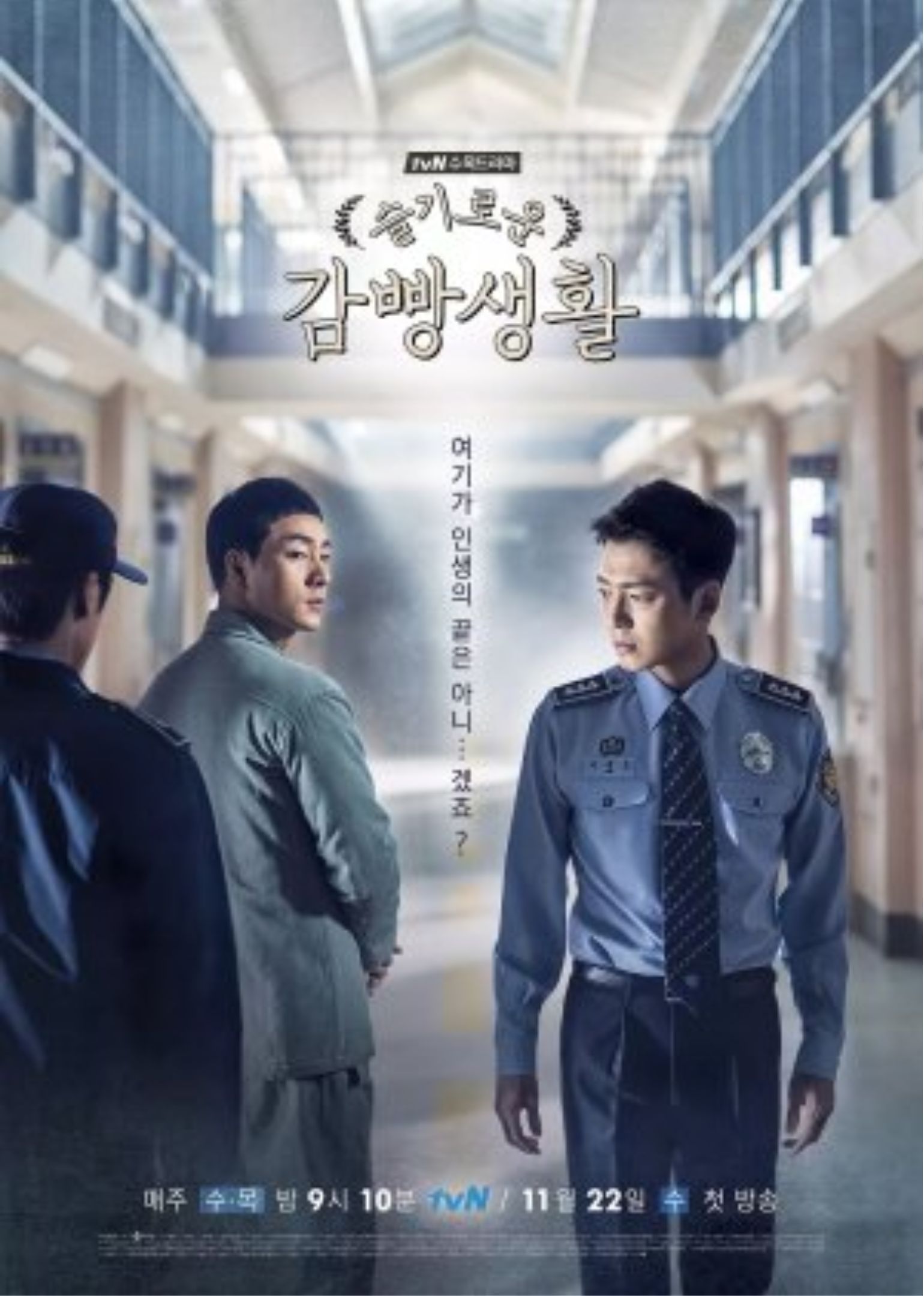
“Prison Playbook” is a heartwarming Korean drama blending humor and emotion, following a baseball star’s life in prison. Discover friendship, resilience, and redemption!
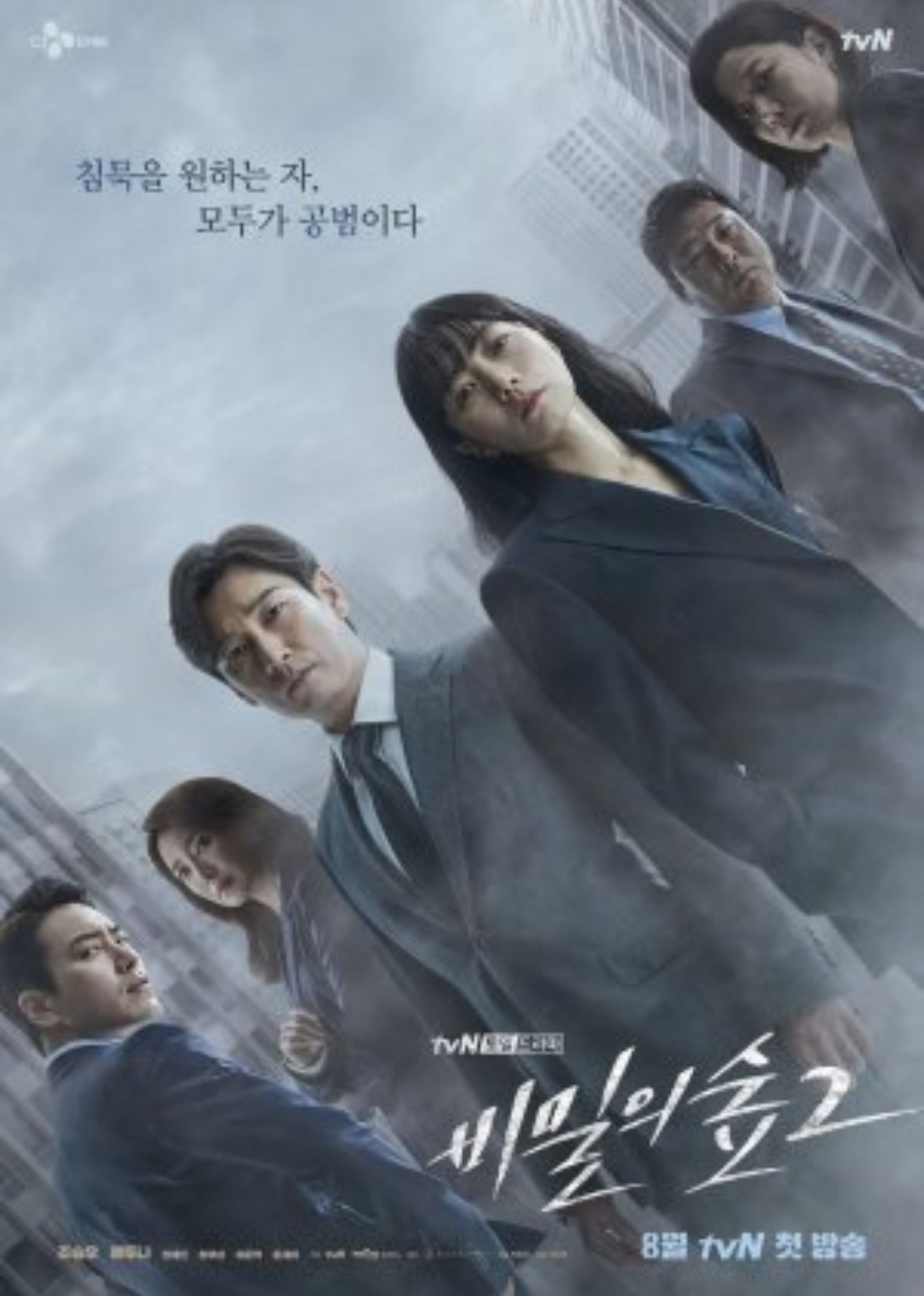
“Stranger 2” brings back Cho Seung Woo and Bae Doo Na in a gripping battle of law and justice, uncovering corruption and secrets in this unmissable Korean thriller!

“Stranger” (Secret Forest) is a gripping Korean thriller featuring Cho Seung Woo and Bae Doo Na, unraveling corruption and secrets in the legal world. A must-watch drama!

Move to Heaven” is a heartwarming Korean drama about trauma cleaners uncovering untold stories of the departed. Dive into emotional journeys and life-changing lessons!

In the world of Korean culture, ‘Oppa’ (오빠) is more than just a word—it’s a term that carries deep cultural significance, emotional undertones, and global popularity. From being used affectionately by a younger sister to referring to a charming older male or even a K-pop idol, ‘Oppa’ has found its way into everyday conversations and international fan culture
What Does ‘Oppa’ Really Mean? A Deep Dive into Its Meaning and Usage Read More

In Korean, “APT” is the abbreviation for ‘아파트’ (apateu), meaning “apartment.” Beyond its literal meaning, “APT” represents a lively and fun drinking game that has become a notable part of Korean social culture. This term gained international recognition through its feature in the song “APT.” by Rosé of BLACKPINK and Bruno Mars, blending music with cultural storytelling.
What Does ‘APT’ Mean in Korean? Read More