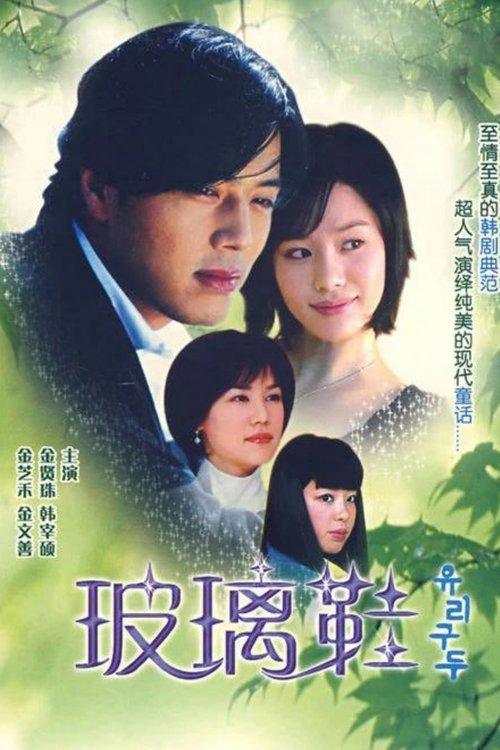
Stained Glass
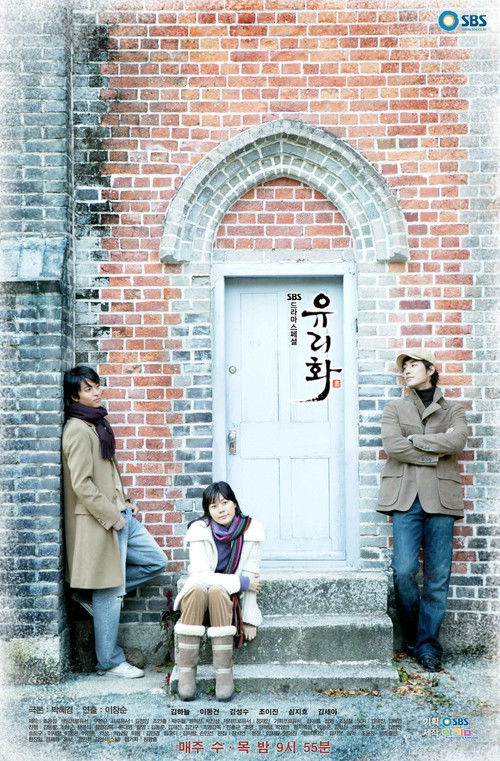
Stained Glass (2004) is a poignant South Korean melodrama that delves into themes of love, friendship, and destiny. The story follows three childhood friends—Han Dong-joo (Lee Dong-gun), Park Ki-tae (Kim Sung-soo), and Shin Ji-soo (Kim Ha-neul)—whose lives become intricately intertwined through a series of unforeseen events. Dong-joo and Ki-tae, both abandoned by their parents, grow up together in an orphanage, forming a bond akin to brotherhood. Their lives take a turn when Ji-soo joins them, and the trio forms a close-knit friendship. However, tragedy strikes when Dong-joo disappears while trying to retrieve Ji-soo's cherished ocarina from a river and is presumed dead. Unbeknownst to them, he is rescued and adopted by a Japanese couple, eventually becoming Yuichi Yamamoto. Twelve years later, Dong-joo returns to Korea as Yuichi, now a successful businessman. His reappearance rekindles old emotions and disrupts the lives of Ji-soo and Ki-tae, who have since developed a romantic relationship. As past and present collide, the trio must navigate the complexities of love, loyalty, and the enduring bonds of their shared history. "Stained Glass" masterfully portrays the emotional turmoil of its characters, set against the backdrop of beautifully crafted visuals and a compelling narrative. The series explores the fragility of human relationships and the enduring impact of past choices, making it a memorable addition to the K-drama genre.
Details
🙂 Native Title: 유리화
🌎 Also Known As: Stained Glass Window, Glass Picture, Glass Painting, Glass Flower
🎭 Genres: Melodrama, Romance
🏷 Tags: Love Triangle, Orphan Male Lead, Adopted Male Lead, Heir Male Lead, Tearjerker
✍ Screenwriters: Park Hye Kyung
🎬 Directors: Lee Chang Soo
🇰🇷 Country: South Korea
🎬 Episodes: 18
🗓️ Aired: Dec 1, 2004 – Feb 3, 2005
📅 Airing Days: Wednesday, Thursday
📺 Original Network: SBS
⏰ Duration: 1 hr. 5 min.
🔞 Content Rating: 15+ – Teens 15 or older
Best Scenes
-
The River Incident: A pivotal moment where Dong-joo risks his life to retrieve Ji-soo’s ocarina, leading to his presumed death and subsequent adoption in Japan.
-
The Church Vow: The trio’s heartfelt promise to always protect each other, symbolizing their deep bond and setting the stage for future conflicts.
-
Reunion in Japan: Dong-joo, now Yuichi Yamamoto, reunites with Ji-soo and Gi-tae, igniting a complex love triangle and emotional turmoil.
-
Kidney Donation: Gi-tae’s selfless act of donating a kidney to Dong-joo showcases the depth of their friendship and adds layers to their relationship.
-
Final Farewell: The concluding scenes where unresolved emotions culminate, leaving a lasting impact on viewers and emphasizing the drama’s melancholic tone.
Filming Locations
-
Seoul, South Korea: Various urban settings depict the characters’ daily lives and professional environments.
-
Japanese Landscapes: Scenes set in Japan highlight Dong-joo’s life after adoption, contrasting with his past in Korea.
-
Orphanage Setting: The childhood home of the main characters, symbolizing their shared history and emotional connections.
-
Catholic Church: A significant location for the trio’s vow, reflecting the drama’s recurring themes of faith and commitment.
-
Traditional Korean Houses (Hanok): Used to portray familial settings, adding authenticity and cultural depth to the narrative.
Visual Design and Costumes
-
Seasonal Color Palette: The use of autumnal hues mirrors the characters’ emotional states and the story’s melancholic atmosphere.
-
Symbolic Wardrobe Choices: Costumes often reflect character development, such as Dong-joo’s transition from casual to formal attire post-adoption.
-
Stained Glass Motif: Visual elements resembling stained glass windows are used to symbolize fragmented relationships and the complexity of emotions.
-
Minimalist Set Designs: Interiors are designed to focus attention on character interactions and emotional expressions.
-
Traditional vs. Modern Attire: The contrast in clothing styles highlights cultural differences and character backgrounds.
Themes and Messages
-
Enduring Friendship: Explores the strength and challenges of lifelong bonds formed in childhood.
-
Love and Sacrifice: Depicts the complexities of love, including unrequited feelings and personal sacrifices for others’ happiness.
-
Identity and Transformation: Addresses the impact of past experiences on personal growth and identity formation.
-
Fate and Destiny: Questions whether individuals can escape their predetermined paths or are bound by fate.
-
Family and Belonging: Highlights the search for familial connections and the meaning of home.
Interesting Facts
-
International Collaboration: The drama features scenes shot in both South Korea and Japan, showcasing cross-cultural elements.
-
Strong Ratings: “Stained Glass” achieved high viewership ratings during its original broadcast, reflecting its popularity.
-
Soundtrack Success: The original soundtrack contributed significantly to the drama’s emotional impact and was well-received by audiences.
-
Career Milestone: The series marked a significant point in the careers of its lead actors, boosting their popularity.
-
Cultural Impact: The drama influenced fashion trends and sparked discussions on its central themes among viewers.
Awards
The awards received by the Korean drama “Stained Glass” (2004):
-
2004 SBS Drama Awards: Excellence Award for Special Project, Actor – Lee Dong-gun
-
2004 SBS Drama Awards: Top 10 Stars – Lee Dong-gun
-
2004 2nd Andre Kim Best Star Awards: Best Star Award – Lee Dong-gun
Real-Life Loves on Set
There is no publicly known or confirmed real-life romantic relationship between the main cast members of the Korean drama Stained Glass (2004), including Lee Dong-gun, Kim Ha-neul, and Kim Sung-soo. While their on-screen chemistry was notable, there is no evidence to suggest that any of the actors were involved romantically off-screen.The Movie Database+1Wikipedia+1
It’s common for viewers to speculate about off-screen relationships when actors portray compelling romantic connections on-screen. However, in the case of Stained Glass, there are no reports or indications of real-life romances among the cast members during or after the production of the series.