
South Korea · Film · 2014
The Mother Earth
Synopsis
The Mother Earth is a moving Korean drama exploring family, resilience, and emotional healing in the face of hardship. A powerful story of motherhood and strength.
The Mother Earth cast

Best scenes
-
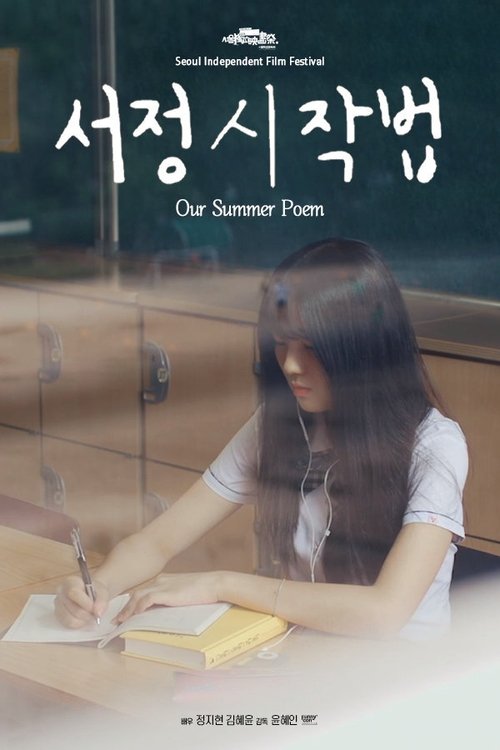
Geun-myung sketching in secret—a quiet but powerful act of rebellion against a dystopian society.
-
Dae-ji’s emotional plea for artistic freedom, highlighting the soul’s need for creative expression.
-
The agents raiding the underground studio, a tense moment that raises the stakes.
-
Escape into nature, where Geun-myung and Dae-ji find solace among wildflowers—symbolizing freedom.
-
Final rooftop scene, visually poetic, as the protagonists gaze at the sky, symbolizing hope beyond oppression.
Filming locations
-
Abandoned industrial buildings in Seoul, reflecting a dystopian and controlled society.
-
Concrete alleyways and rooftops, used to portray both confinement and quiet rebellion.
-
Sparse underground art studio, the main setting where expression still breathes.
-
Natural landscapes on the city’s outskirts, used symbolically for freedom and unspoiled beauty.
-
Government facility interiors, cold and minimalistic, contrasting the warmth of artistic spaces.
Visual design and costumes
-
Muted color palette—grays and browns dominate, conveying emotional repression.
-
Contrasting tones in flashbacks and dream sequences, offering visual relief and symbolism.
-
Dae-ji’s free-flowing wardrobe, representing defiance and individuality in a controlled world.
-
The agents’ uniformed looks, emphasizing authoritarian power and suppression.
-
Lighting design—harsh and shadowy in city scenes, soft and warm in nature, creating emotional contrast.
Themes and messages
-
Art as resistance—a powerful message about freedom of expression in oppressive systems.
-
The resilience of creativity, even under surveillance and punishment.
-
Human connection through shared expression, as seen in the bond between Geun-myung and Dae-ji.
-
Nature vs. control, showing how true freedom exists outside institutional boundaries.
-
The cost of silence, urging viewers to reflect on conformity and courage.
Interesting facts
-
Shin Hye Sun’s early-career performance as Dae-ji showcases her range in an indie role.
-
Premiered at independent film festivals, gaining attention for its thought-provoking concept.
-
Directed by Hong Seung Kyun, known for socially conscious short films.
-
Filmed in just under two weeks, using a low-budget yet highly impactful production style.
-
Used real former factory locations to enhance authenticity and dystopian atmosphere.
Real-life loves on set
There is no confirmed real-life romance among the cast members of the Korean short film The Mother Earth (2014). The film stars Shin Hye Sun as Dae Ji and features a compact cast in a story focused primarily on artistic repression, resistance, and the power of human expression in a dystopian society.
Although there is emotional depth between the characters—particularly between Dae Ji and the protagonist artist Geun-myung—this connection is portrayed within the context of creative solidarity and ideological defiance rather than romantic entanglement. There have been no reports or interviews suggesting that any real-life romantic relationships developed during or after the filming.
Given that The Mother Earth is a short, independent film with a strong thematic focus on freedom of expression, the on-screen relationships were designed to support the narrative’s message, not to reflect or hint at real-life romances.
In conclusion, while The Mother Earth presents emotionally resonant character dynamics, there is no evidence of a real-life love story emerging from its production or cast.
If you liked this film
Matched on genre, country and era. Closest first.