
Visiting Class

Visiting Class

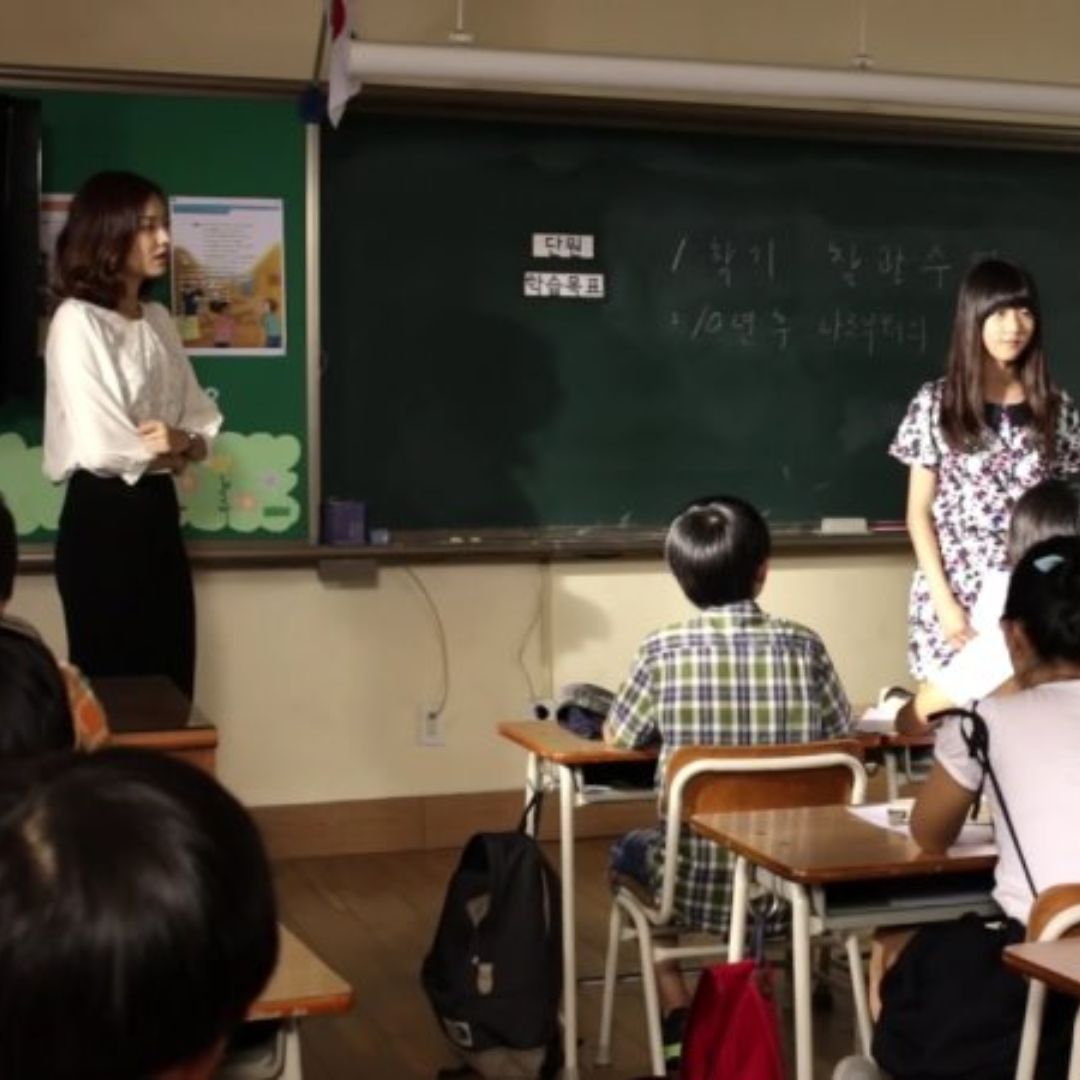
Kim Sae Ron stars as Ja Youn, a young girl eagerly anticipating her school’s “Visiting Class” day, where parents join their children for a special classroom activity. However, unlike her classmates, Ja Youn's reality is far from joyful. When her mother (Yoo Ji Yeon) finally arrives, the atmosphere shifts, revealing an unspoken emotional distance between them. As the event unfolds, Ja Youn’s deep longing for connection clashes with her mother’s cold indifference, exposing a painful truth hidden beneath the surface. The short film masterfully captures the subtle yet devastating impact of emotional neglect and societal expectations. Through the perspective of Ja Youn’s teacher (Choi Yu Hwa), the audience witnesses the weight of childhood loneliness and the unspoken struggles within a fractured family. The tension in the classroom slowly builds, making every glance and unspoken word feel like an emotional punch. With Kim Sae Ron’s moving performance, Visiting Class delivers an intense yet quiet drama that lingers in the heart. The film’s minimalistic storytelling and raw emotions highlight the importance of family bonds and how small moments can leave a lasting impact on a child’s psyche. The cinematography’s close-up shots amplify the emotional depth, drawing viewers into Ja Youn’s silent world of longing and disappointment. Perfect for fans of realistic family dramas like "A Girl at My Door" and "Nobody Knows," Visiting Class is a thought-provoking short film that sheds light on childhood vulnerability and the silent pain of being unseen. This poignant piece is a must-watch for those who appreciate emotionally charged storytelling and powerful performances in Korean cinema.

Details

🙂 Native Title: 참관수업
🌎 Also Known As: Observation Class, Open House
🎭 Genres: Drama, Family
🏷 Tags: Dysfunctional Family
Screenwriters: Information not available
🎬 Directors: Information not available
🇰🇷 Country: South Korea
🎬 Release Date: 2013
📺 Original Network: Not applicable
Duration: 10 minutes
🔞 Content Rating: Not Yet Rated

  • Ja Youn’s Anticipation: The opening scene where Kim Sae Ron portrays a hopeful Ja Youn waiting for her mother’s arrival, showcasing the innocence of childhood.
  • The Mother’s Late Entrance: The emotional shift when Yoo Ji Yeon (Ja Youn’s mother) finally arrives, but instead of warmth, brings discomfort and distance.
  • Classroom Tension: A subtle yet powerful moment where Ja Youn watches other children interact with their parents, realizing the stark contrast in her own life.
  • Silent Desperation: A heartbreaking close-up of Ja Youn’s face as she tries to communicate with her mother, only to be met with cold indifference.
  • The Final Glance: The ending scene where Ja Youn looks at her mother one last time, reflecting disappointment, loneliness, and an unspoken longing for love.
  • Traditional Korean Elementary School: A realistic classroom setting that enhances the film’s authenticity.
  • Seoul, South Korea: Captures the everyday life of urban families and the emotional struggles hidden behind routine activities.
  • Minimalist Indoor Spaces: The school’s simple design reflects the emptiness and isolation Ja Youn feels.
  • Small Residential Neighborhood: Used in background shots to highlight the contrast between warm family homes and Ja Youn’s personal struggle.
  • Subtle Color Tones in the Classroom: A mix of neutral and dull colors to reinforce the understated sadness in the film’s narrative.
  • Muted Color Palette: The soft lighting and washed-out colors reflect the emotional emptiness in Ja Youn’s world.
  • Minimalistic Costumes: Simple school uniforms and casual clothing highlight realism and prevent distraction from the story.
  • Naturalistic Cinematography: The film uses close-up shots and steady framing to create an intimate, personal experience.
  • Subtle Contrast in Clothing: Ja Youn’s clothing is noticeably simpler than that of her classmates, symbolizing emotional and financial neglect.
  • Lighting Changes: The warm, natural lighting in the classroom contrasts with the cold expressions of Ja Youn’s mother, emphasizing the emotional disconnect.
  • Parental Neglect: The film subtly explores how emotional absence can be just as painful as physical absence.
  • Childhood Loneliness: Ja Youn’s story highlights how children internalize family issues and suffer in silence.
  • Social Comparison: The stark contrast between other students’ parents and Ja Youn’s mother showcases societal expectations of parenting.
  • Unspoken Pain: Instead of dramatic confrontations, the film relies on silence and body language to communicate deep emotional wounds.
  • The Weight of Small Moments: The film emphasizes how everyday situations, such as a school visit, can have profound effects on a child’s psyche.
  • Kim Sae Ron’s Emotional Performance: This short film showcases her ability to convey deep emotions with minimal dialogue, solidifying her talent at a young age.
  • Short Yet Impactful: Despite being only 10 minutes long, the film delivers a powerful message about family relationships.
  • Minimalist Storytelling Approach: The film avoids over-explaining emotions, relying on expressions and pauses to tell the story.
  • Directed with Subtlety: The film’s quiet, observational style makes it feel realistic and immersive, drawing viewers into Ja Youn’s perspective.
  • Festival Screenings: Visiting Class was well-received in independent and short film screenings, praised for its raw and poignant storytelling.

There is no publicly available information indicating that the short film “Visiting Class” has received any awards. This 2013 South Korean short film, starring Kim Sae Ron as Ja Youn, focuses on family dynamics during a classroom event. Despite its compelling narrative, details about any accolades or recognitions remain undisclosed.

There is no public information indicating that any real-life romantic relationships developed among the cast or crew during the production of “Visiting Class.” The film focuses on family dynamics, and no off-screen romances have been reported.

Trailer

OST

Gallery

Cast

Kim Sae Ron
Kim Sae Ron

Share on Social

We would appreciate it if you could share this on social media and support us. Let’s grow Asian World together.

Leave a Comment

Your email address will not be published. Required fields are marked *