K-Food
Korean Food: A Flavorful Journey Through K-Food Culture
Korean food—often called K-Food—is much more than just a cuisine; it’s a flavorful expression of history, community, and cultural pride. Rooted in centuries of tradition yet constantly evolving with modern tastes, K-Food has become a global culinary sensation that continues to win hearts (and appetites) around the world.
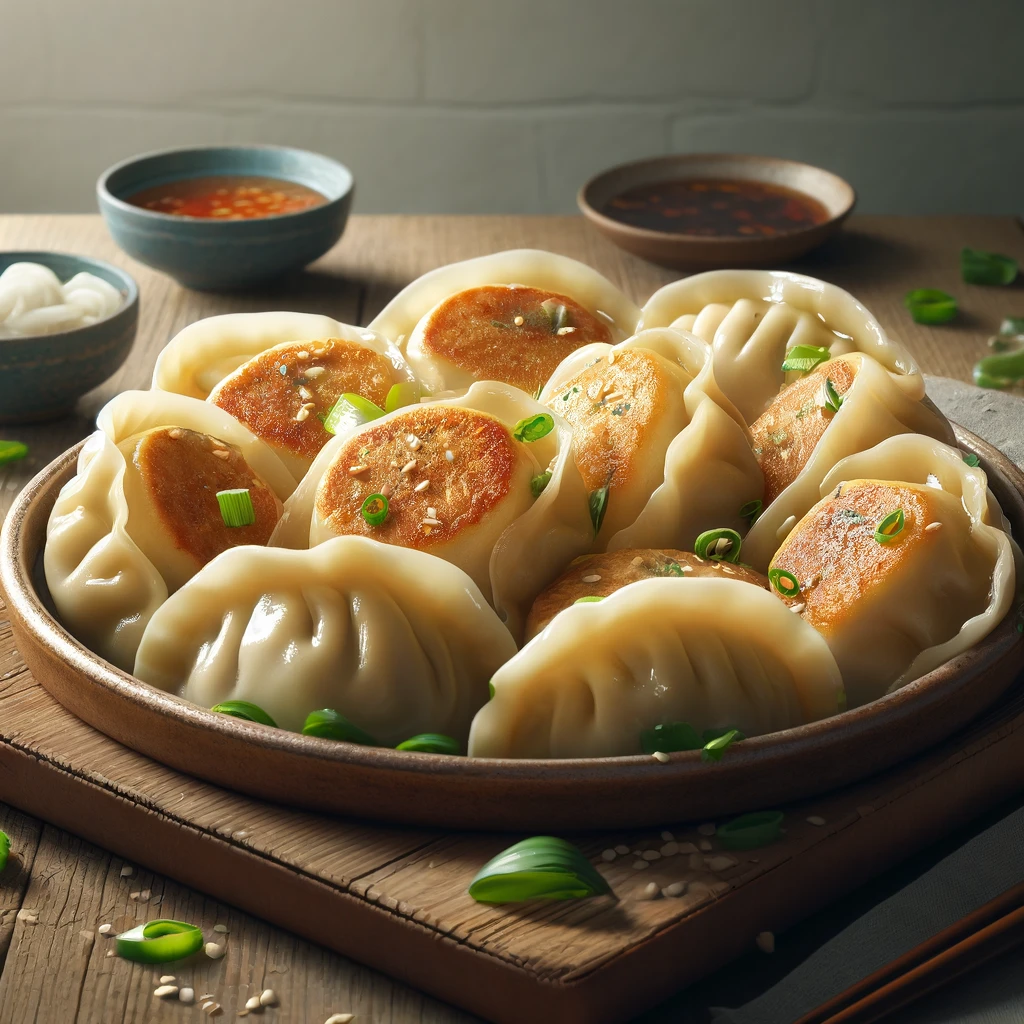
At the heart of K-Food lies balance and variety: spicy, sweet, salty, and fermented flavors come together in harmony. Kimchi, Korea’s iconic fermented side dish, is not only delicious but also rich in probiotics and history. Other favorites like bibimbap, bulgogi, tteokbokki, samgyeopsal, and jajangmyeon showcase the diversity of Korean meals—from home-style comfort to bold street food.
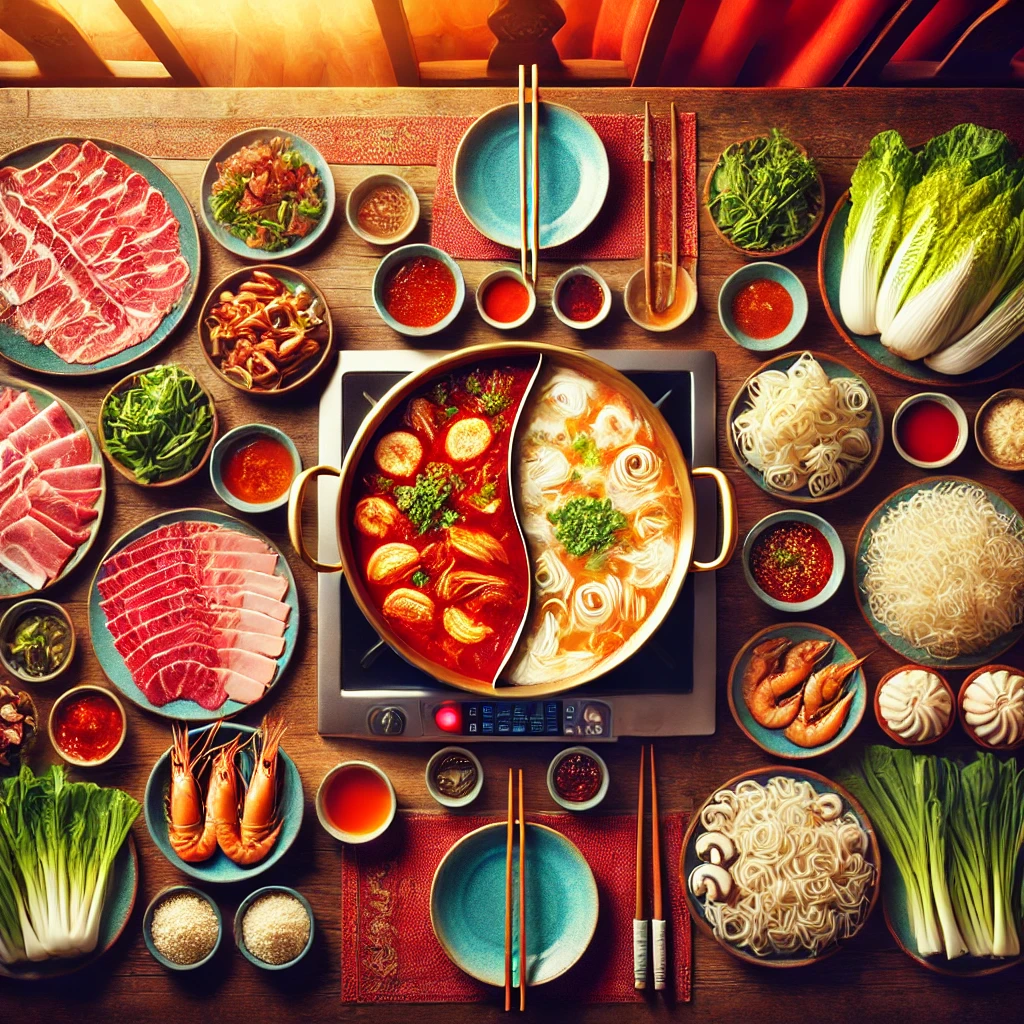
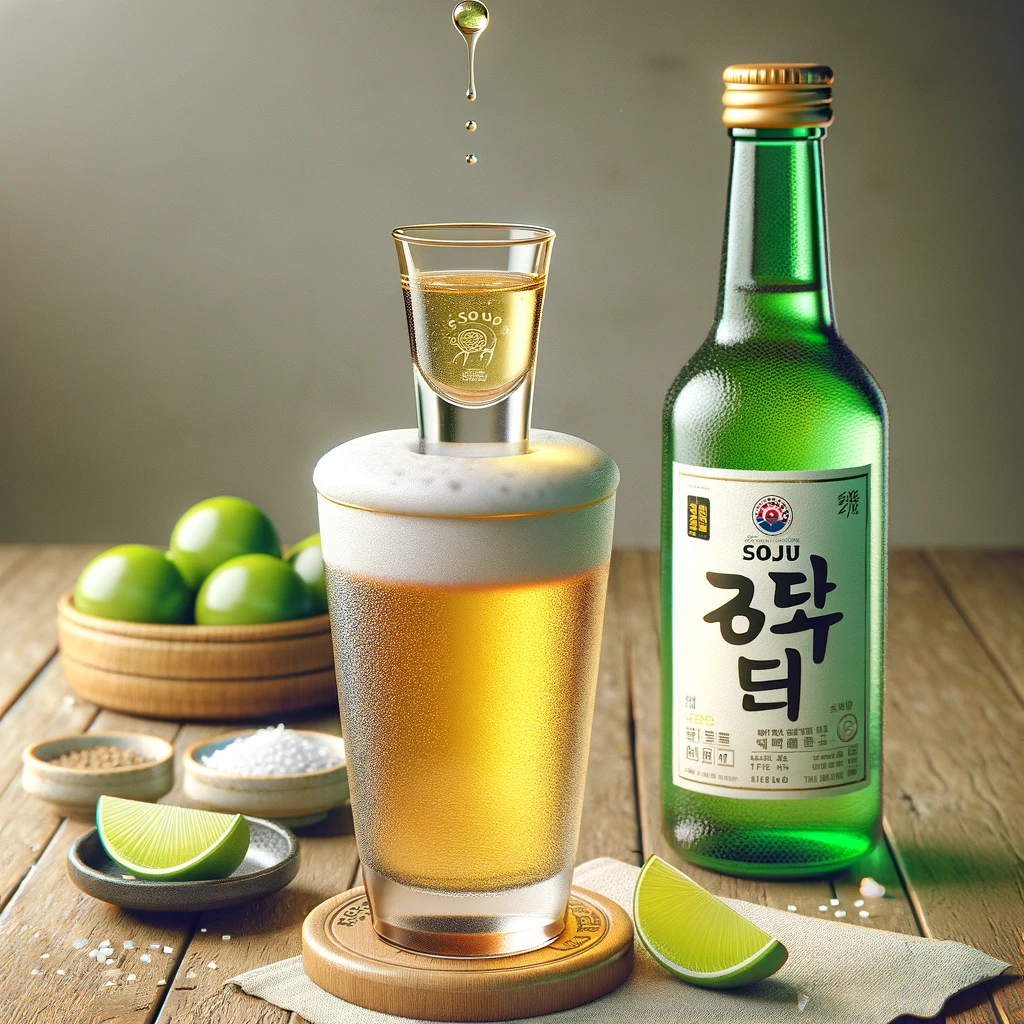
Dining in Korea is a communal experience. Meals are often shared, with small side dishes called banchan filling the table. It’s not just about eating—it’s about connecting. Korean dining etiquette, such as waiting for elders to begin or using two hands to offer drinks, reflects the culture’s emphasis on respect and harmony.
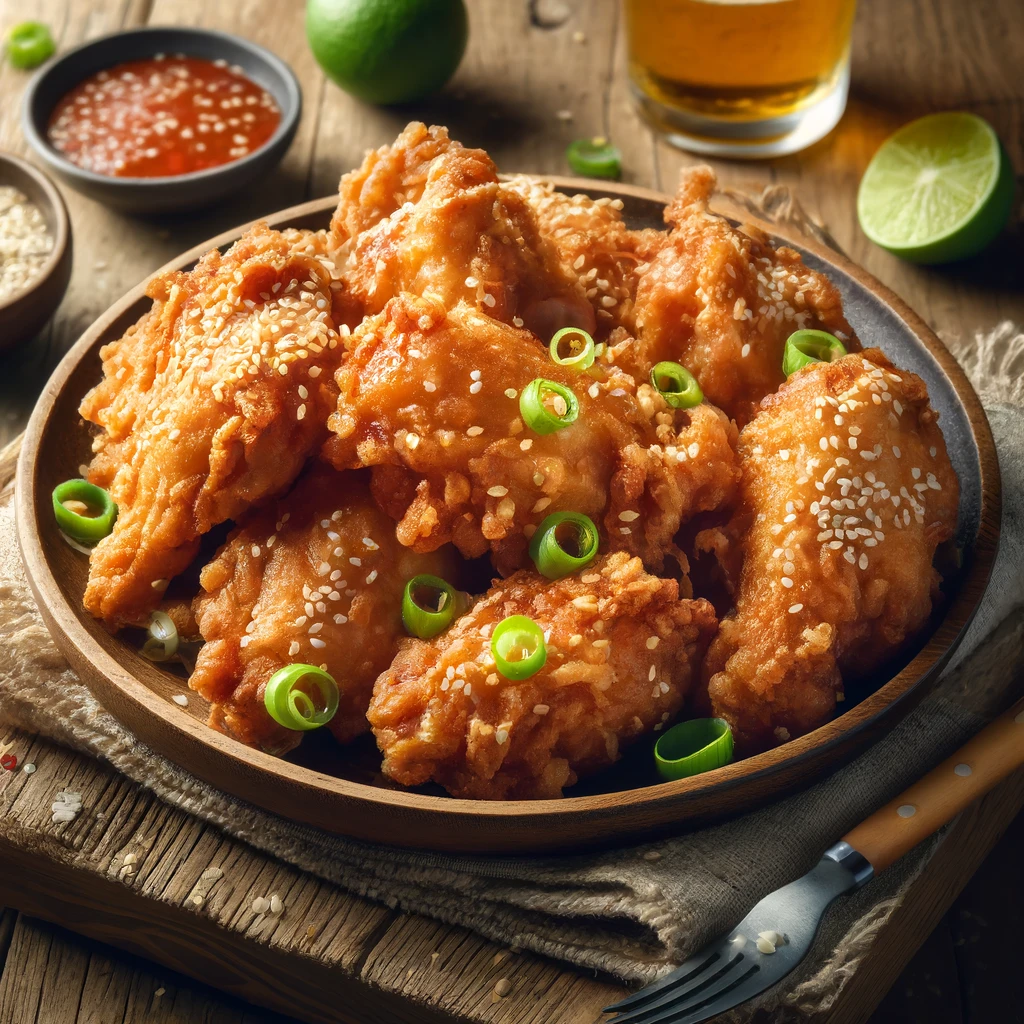
K-Food has also embraced innovation. With the rise of K-dramas and K-pop, Korean snacks and street food like corn dogs, hotteok, and instant ramyeon have taken the world by storm. The Korean BBQ trend, once local, is now a global favorite—from Seoul to San Francisco.
Whether you’re visiting a night market in Myeongdong, enjoying temple cuisine in Gyeongju, or exploring fusion dishes in Seoul’s trendiest cafés, Korean food invites you to taste, share, and discover. It’s bold, colorful, soulful—and always memorable.