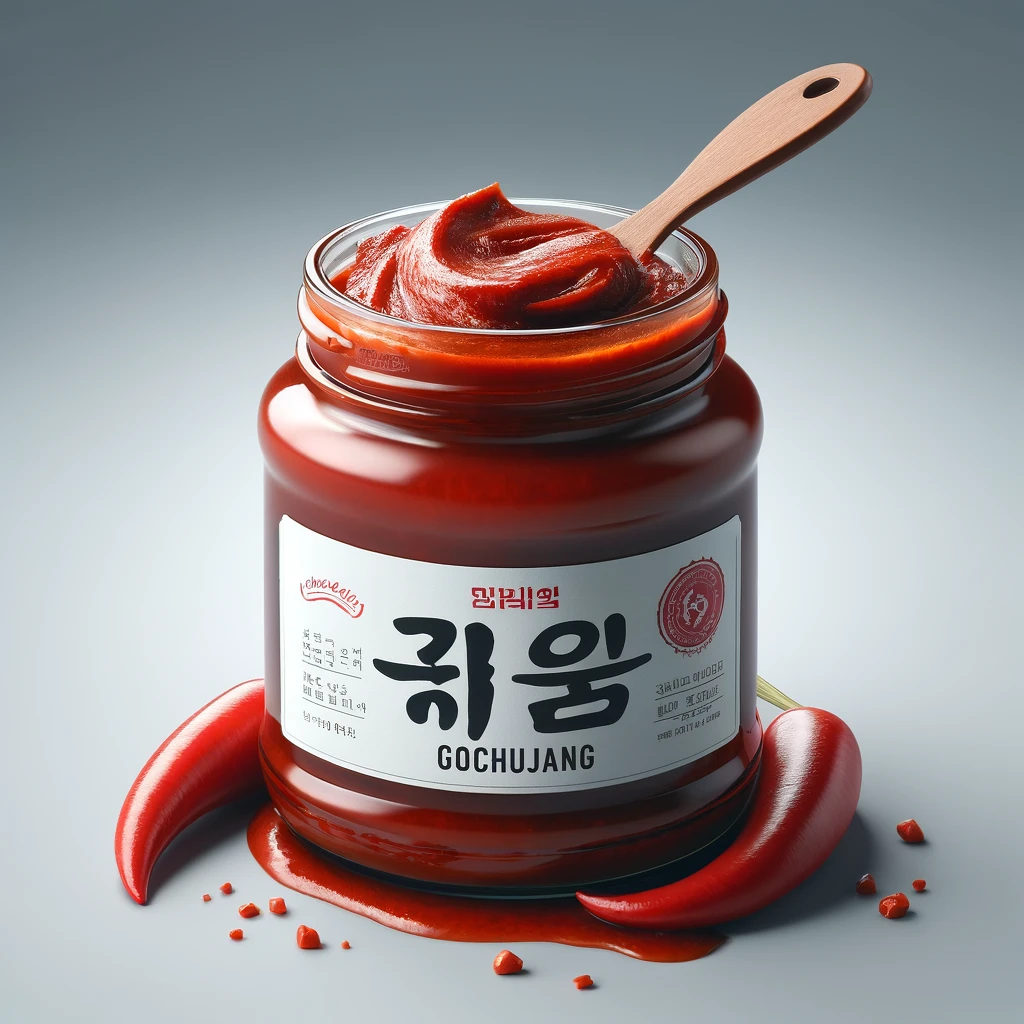
Korean cuisine is a reflection of the country’s history, geography, and cultural values. Deeply rooted in tradition, it emphasizes balance in flavors, textures, and ingredients. Food is seen not only as nourishment but also as a form of medicine, embodying the Korean philosophy of “food as healing” (often expressed as “food is medicine”). Common ingredients like garlic, sesame oil, soy sauce, and chili pepper play central roles in Korean dishes, with sauces such as gochujang (red chili paste), doenjang (fermented soybean paste), and ganjang (soy sauce) often referred to as Korea’s “mother sauces” due to their foundational presence in Korean cooking.
Key Components of a Korean Meal
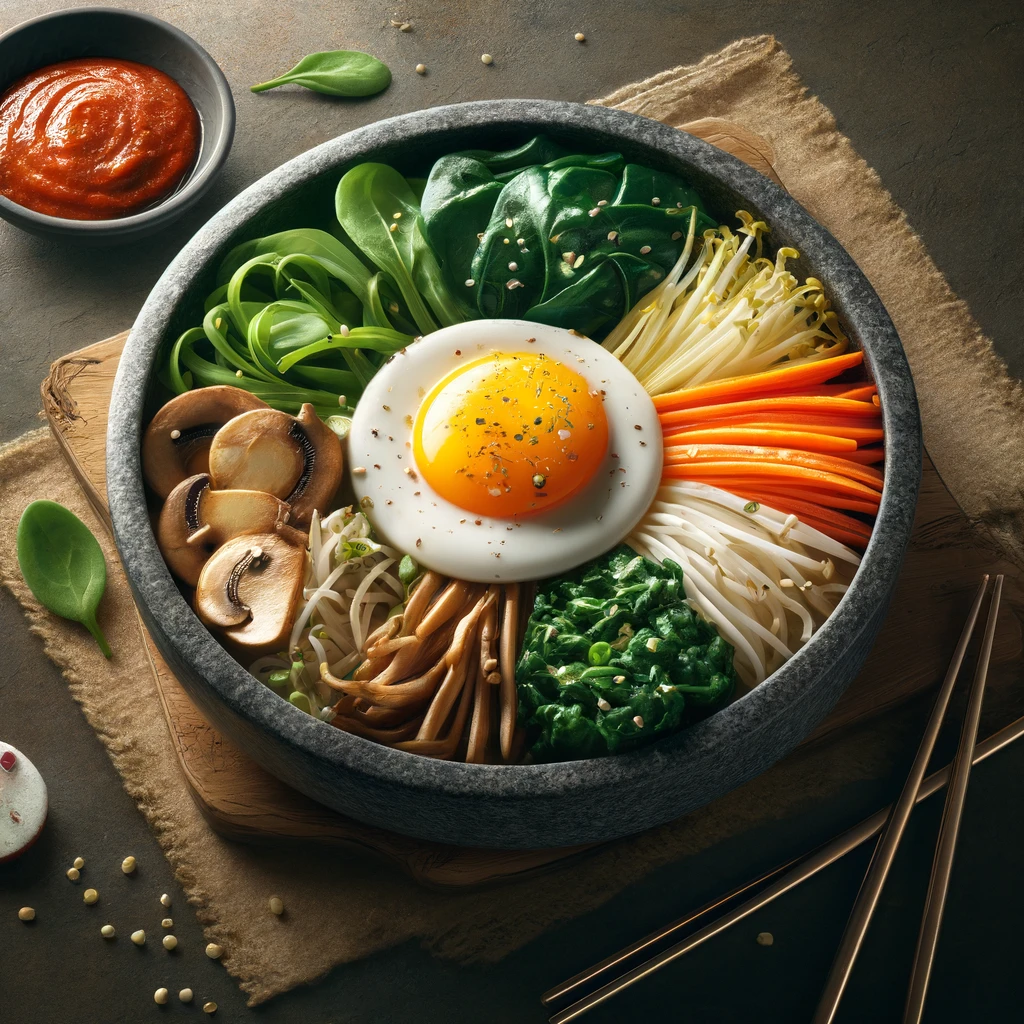
Rice (Bap): The cornerstone of Korean cuisine, rice accompanies nearly every meal. Sometimes, different grains or beans are mixed with rice for added nutrition. Rice dishes like bibimbap (mixed rice with vegetables) and kimchi bokkeumbap (kimchi fried rice) highlight rice’s versatility.
Banchan (Side Dishes): Korean meals are known for their variety of banchan or small side dishes, often including seasoned vegetables, kimchi, and pickles. These dishes are meant to be shared, fostering a communal eating experience.
Soups and Stews: Soups and stews, such as kimchi jjigae (kimchi stew), galbi-tang (beef rib soup), and doenjang jjigae (soybean paste stew), are common, with different types served depending on the season or occasion. These warm, flavorful dishes add depth and comfort to meals.
Fermented Foods: Fermentation is central to Korean cuisine, providing a unique depth of flavor and health benefits. Kimchi is the most famous, but other fermented foods like jangajji (pickled vegetables) and various kinds of fermented seafood are .
Popular Korean Dishes to Try
- Kimchi: Fermented cabbage or radish with a mix of chili powder, garlic, and fish sauce. It’s Korea’s iconic dish and is eaten daily by most Koreans.
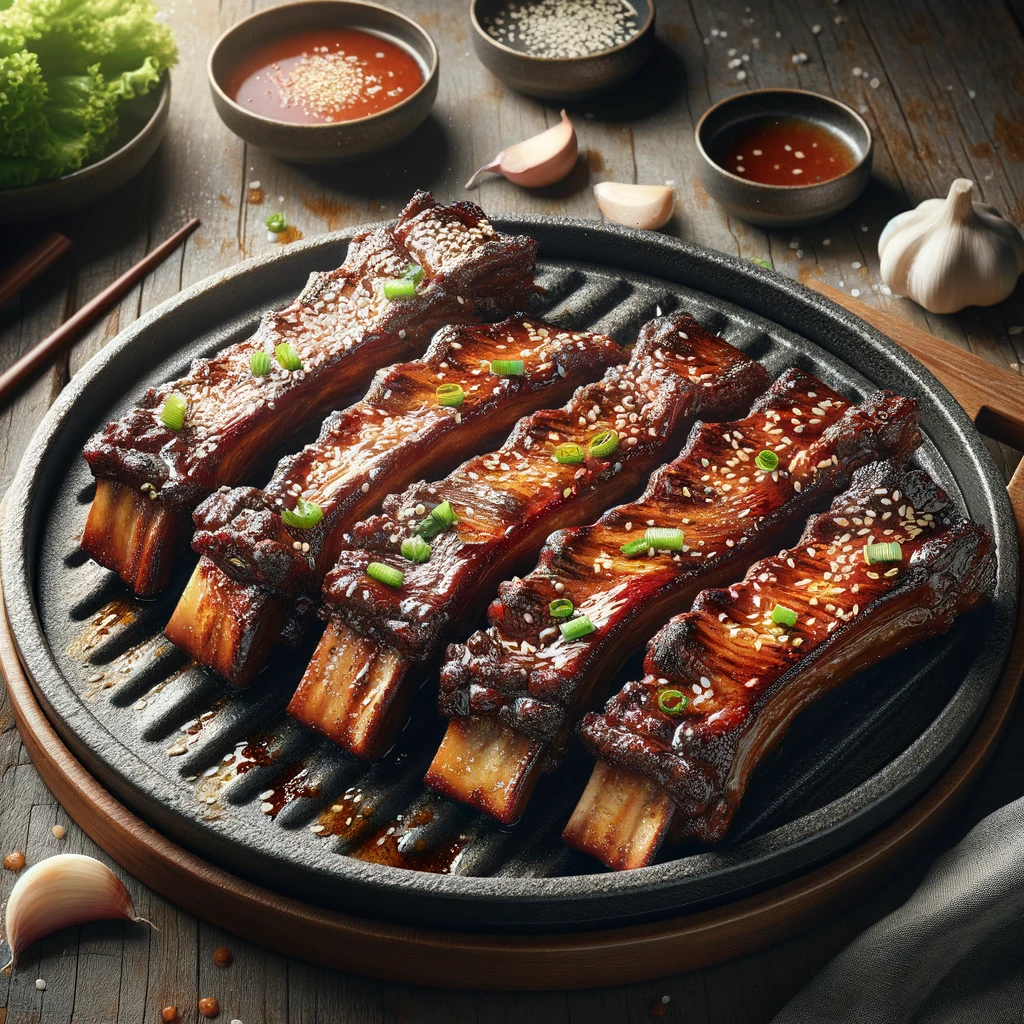
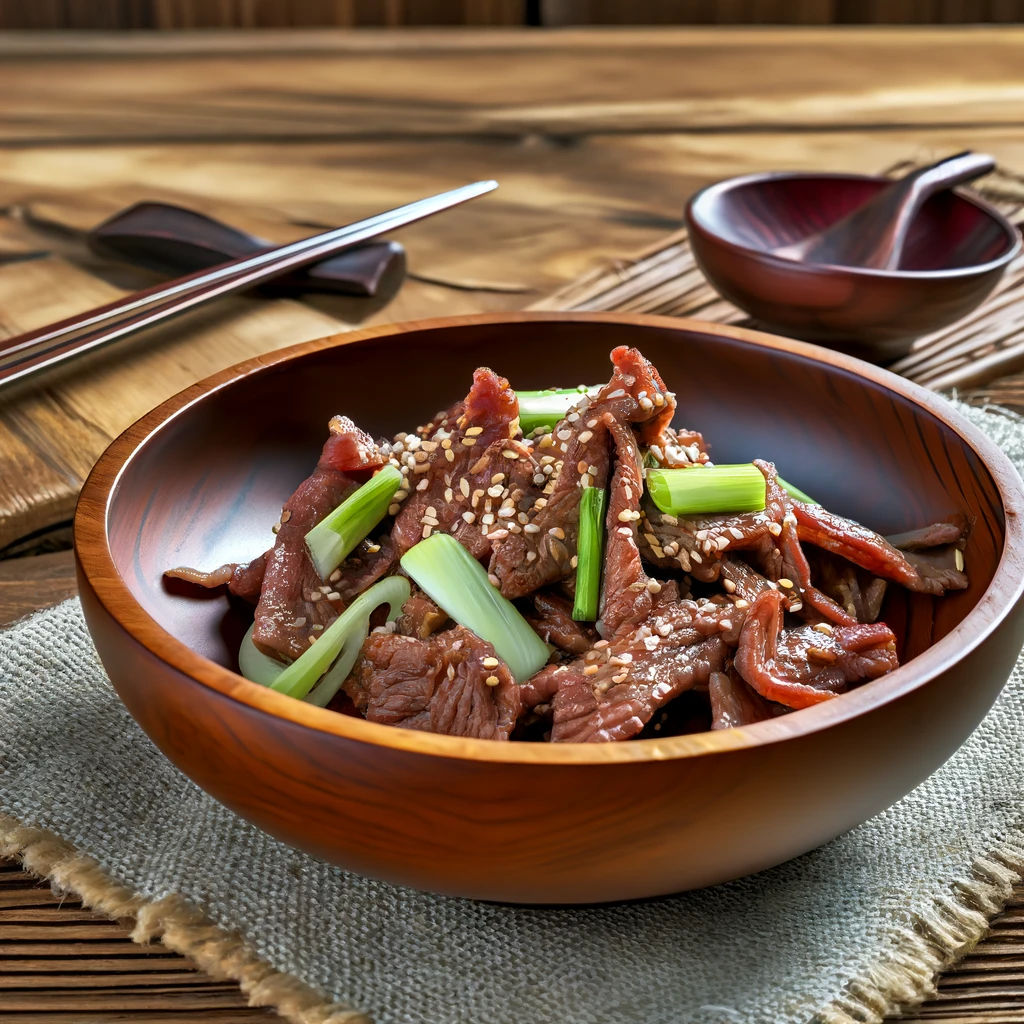
- Bulgogi: Marinated and grilled beef, often wrapped in lettuce with garlic and gochujang. This dish highlights Korea’s love for grilled meats and is a staple at Korean BBQ.
- Japchae: Stir-fried glass noodles with vegetables and meat, usually seasoned with soy sauce and sesame oil.
- Tteokbokki: Spicy rice cakes cooked with fish cakes and boiled eggs, often enjoyed as street food.
Eating Culture and Customs
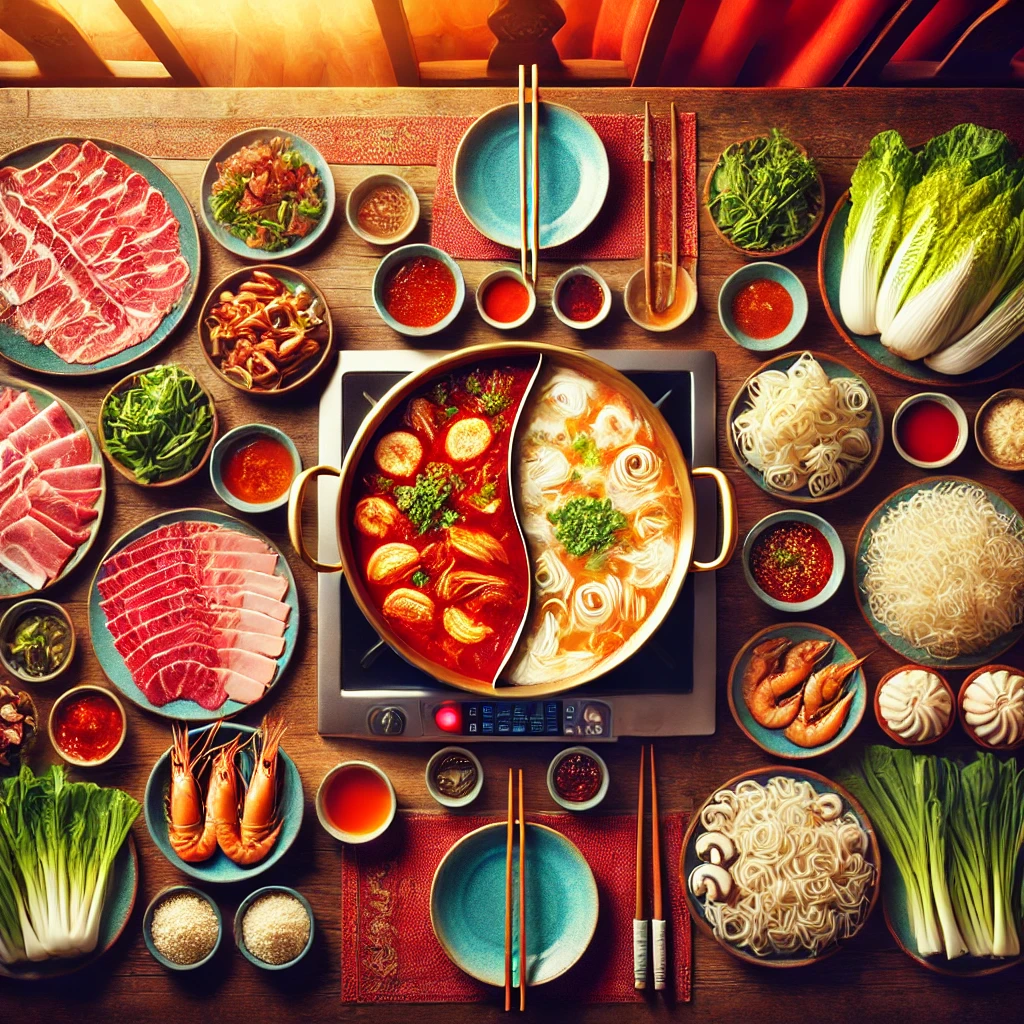
Korean BBQ and Ssam Culture: Korean BBQ is an interactive dining experience where meats are grilled at the table. Diners then wrap the meat in lettuce or perilla leaves, adding toppings like garlic, chili, and ssamjang (a spicy paste) for added flavor. This communal style of eating reflects Korea’s value on togetherness.
Floor Seating and Chopsticks: Traditional Korean restaurants often have floor seating, where diners sit on cushions around low tables. Meals are eaten with metal chopsticks and spoons, which are unique to Korea and reflect the importance of dining etiquette in Korean culture.
Ceremonial Foods: Korean cuisine includes specific dishes for cultural ceremonies and holidays. For example, during Chuseok (Korean Thanksgiving), families prepare rice cakes and other foods to honor their ancestors, reflecting Confucian values and a deep respect for family.
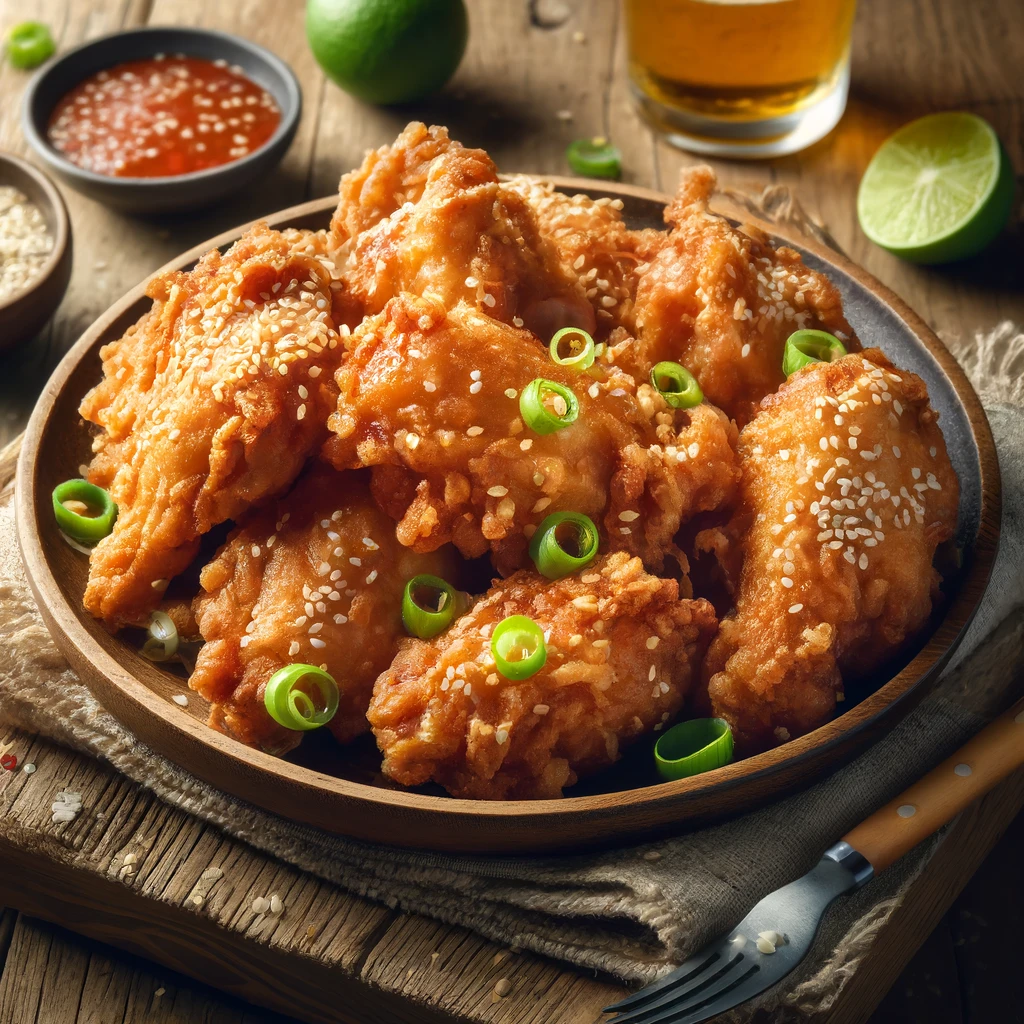
Chimaek (Chicken and Beer): Known as chimaek (a combination of “chicken” and “maekju,” which means beer), this combo has become a social staple in Korean nightlife. Popularized by K-dramas, fried chicken and beer are enjoyed by friends as a casual meal or snack.
Seasonal and Regional Influences
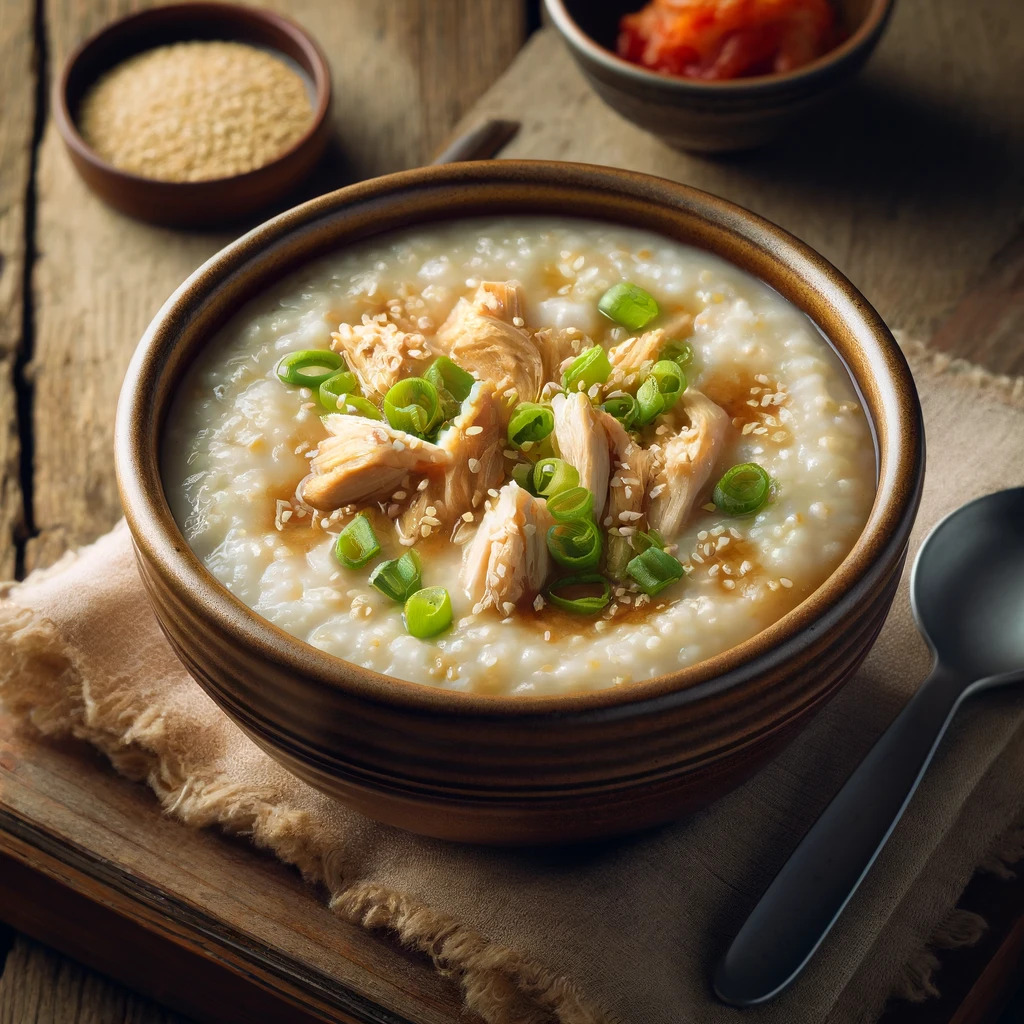
Korean cuisine varies by region, with coastal areas incorporating more seafood and inland regions focusing on vegetables and meats. Seasonal eating is also important, as certain dishes are believed to help balance the body’s energies. For instance, samgyetang (ginseng chicken soup) is consumed in summer to combat heat with heat, based on the belief that sweating helps cool.
Korean food culture emphasizes balance, community, and tradition, with every dish offering a story or connection to Korea’s rich heritage. From BBQ to kimchi, each meal is a celebration of flavors that continues to captivate the world.